
Reviewed · TEA PLANTATION TOURS
Taiwanese Baking Class with Oolong Tea Tasting in Taipei
Bake good fortune in Taipei. This small-group class turns two beloved Taiwanese pastries into a hands-on cultural experience, not just a snack stop. I like the patient instruction and the chance to make pineapple cakes and mung bean cakes yourself.
I also like the closing oolong tea service, which gives the pastries a proper Taiwanese setting. The main consideration is timing: the tour is described as about 2.5 hours in the detailed information, while the short summary says 2 hours, so allow at least an afternoon. You will also need to reach CookInn Taiwan in Taipei’s Datong District for the 2:30 pm start.
In This Review
- Key points to know before booking
- Why these pastries matter in Taiwan
- Arriving at CookInn Taiwan in Datong District
- Starting with the hands-on baking
- Pineapple cakes and mung bean cakes
- The scallion nougat cracker surprise
- Tea after the oven work
- The take-home box adds real value
- Who will enjoy this Taipei class most
- Practical value at $80 per person
- Booking, cancellation, and timing notes
- Should you book the Taiwanese baking class?
- FAQ
- Where does the baking class begin?
- What time does the class start?
- How long does the experience last?
- What pastries will I learn to make?
- Is tea included?
- Can I cancel for a full refund?
Key points to know before booking
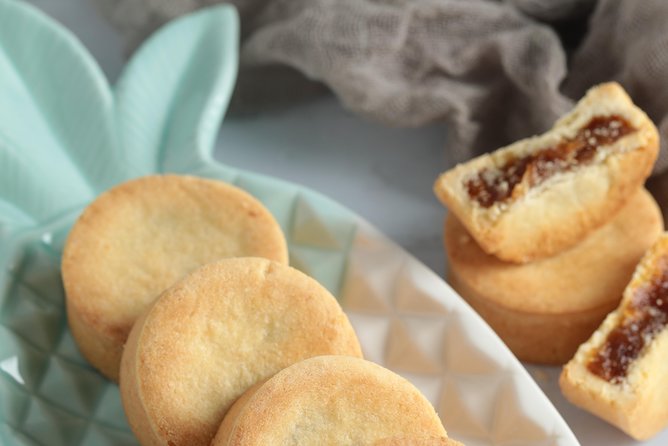
- Pineapple cakes carry a blessing: The Taiwanese pronunciation of pineapple, ong-lai, sounds like a wish for fortune and prosperity to arrive.
- You make more than one pastry: The class includes pineapple cakes, mung bean cakes, and scallion nougat crackers.
- Tea is part of the lesson: Taiwan oolong is served with the finished pastries, along with an introduction to local tea culture.
- Your baking comes home with you: CookInn Taiwan provides a special souvenir box for your handmade treats.
- The group is capped at 10 people: That keeps the class smaller than a large demonstration-style cooking event.
- The meeting point is central and practical: You meet at CookInn Taiwan, Zhongshan classroom, at 66 Section 1, Chengde Road, 2nd floor, in Datong District.
Why these pastries matter in Taiwan
Pineapple cakes are easy to spot in Taipei shops, airports, and gift counters. They are usually treated as a classic edible souvenir, but the important detail is their name.
In Taiwanese, pineapple is pronounced ong-lai. That sound resembles a phrase meaning fortune and prosperity will come. Giving pineapple cakes is therefore more than handing someone a sweet pastry. It carries a good wish.
That small language lesson adds value to the baking. You are not simply following a recipe for something tasty. You are learning why this particular pastry became such a meaningful gift in Taiwan.
Mung bean cakes bring a second traditional flavor to the class. The experience focuses on Taiwanese good-fortune pastries, so the lesson connects the food to family visits, gifts, and celebrations rather than treating baking as an isolated activity.
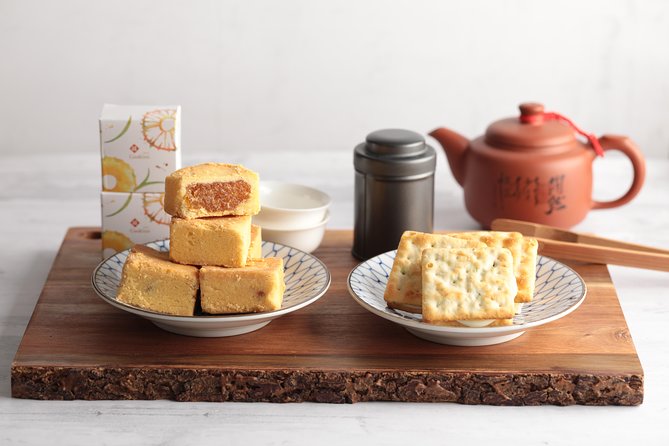
The scallion nougat crackers add a different texture and flavor. They pair flaky, savory scallion crackers with a milky-sweet nougat center. It is an unusual combination if you are used to Western pastries, and the sweet-salty contrast makes sense once it is served with tea.
I appreciate that the menu does not stay with one familiar item. Pineapple cakes give you the famous souvenir, mung bean cakes add another local pastry, and scallion nougat crackers show a more unexpected side of Taiwanese snacking.
More Tea Plantation Tours in Taipei:
- From Taipei: Thousand Island Lake and Pinglin Tea Plantation
★ 4.7 · 519 reviews - Thousand Island Lake and Pinglin Tea Plantation from Taipei
★ 4.5 · 172 reviews - From Taipei: Pinglin Tea Culture and Maokong Guided Day Tour
★ 4.8 · 104 reviews
Arriving at CookInn Taiwan in Datong District
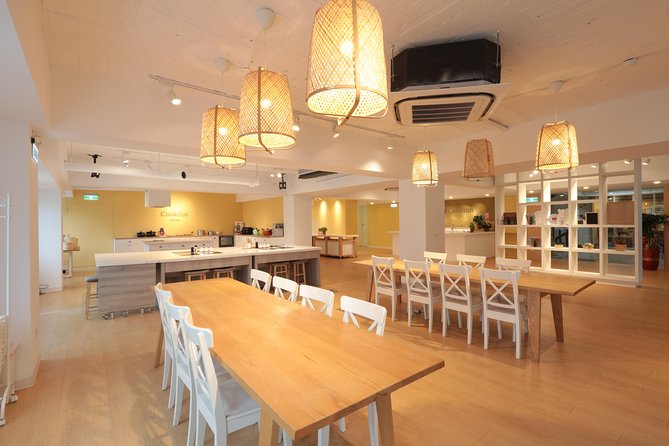
The class begins at CookInn Taiwan’s Zhongshan classroom, located at 66 Section 1, Chengde Road, on the second floor. The listed start time is 2:30 pm, and the activity ends at the same meeting point.
This is a meeting-point experience rather than a hotel pickup tour. You should plan your route before leaving, especially since the address includes a section number, building number, and floor. The location is near public transportation, which makes it practical to reach from other parts of Taipei.
The maximum group size is 10 people. That matters in a baking class. You want enough room for clear instruction and hands-on work, rather than watching from the back of a crowded room.
CookInn Taiwan confirms the booking at the time of purchase, and the experience is provided with a mobile ticket. Keep the ticket available on your phone, and arrive ready to begin at the stated time.
Starting with the hands-on baking
The heart of the class is making traditional Taiwanese pastries under an instructor’s direction. The information provided does not give a minute-by-minute recipe schedule, so you should expect the exact order and pace to depend on the class session.
The instructor’s role is important here. A baking lesson can become frustrating when measurements, shaping, or oven steps move too quickly. The strongest praise for this experience centers on clear explanations and patient guidance, which is exactly what you want when working with unfamiliar pastries.
You will learn how the pastries are prepared, then take part in the process rather than simply watching a demonstration. That hands-on format gives the class its value. You can ask for help as you work, see how the dough and fillings are handled, and gain a better sense of why the finished pastry has its particular shape and texture.
I would treat this as a cultural food lesson with baking included, not as a professional pastry course. The point is to understand the food, make your own version, and enjoy the result. If you want advanced technique or a long series of recipes, this short class may feel limited.
For most people, the limited menu is a strength. Two and a half hours is enough time to focus without turning the activity into an all-day commitment. You get a clear theme and several finished items instead of a rushed parade of unrelated dishes.
Pineapple cakes and mung bean cakes
Pineapple cakes are the best-known part of the class. Their appeal comes from the balance between a buttery pastry shell and sweet pineapple filling, though the supplied details do not specify the exact recipe or ingredients used in the lesson.
The useful part is that you learn to make a pastry with a strong connection to Taiwanese gift-giving. Once you understand the ong-lai wordplay, the cakes become easier to remember and more meaningful to bring home.
Mung bean cakes give you another traditional pastry to prepare. They are less internationally famous than pineapple cakes, which makes them useful for anyone who wants to take home more than the standard Taipei souvenir.
Because you work with more than one pastry, the class also gives you a small comparison of Taiwanese baking styles. One item is linked to fruit and prosperity, while the other brings mung bean into the lesson. That variety helps keep the two-hour-plus session interesting.
The experience includes snacks and tea service, so you are not waiting until the very end to taste something. Still, come prepared to participate rather than expecting a full meal. These are pastries and tea, not a replacement for lunch or dinner.
More Cooking Classes in Taipei:
- Xiao Long Bao, Beef Noodles & Boba Tea Cooking Class in Taipei
★ 5.0 · 159 reviews - Xiao Long Bao, Chicken vermicelli with mushroom and sesame oil, Tofu strips salad, Bubble milk tea. Taiwan Traditional Delicacies Experience-A (Taipei Cooking Class)
★ 5.0 · 79 reviews - Taipei Cooking Class & Market Adventure in Historic Dadaocheng
★ 5.0 · 77 reviews - Xiao Long Bao & Boba Tea Cooking Class in Taipei
★ 5.0 · 28 reviews
The scallion nougat cracker surprise
The scallion nougat cracker is the most unusual food item listed for the class. It uses flaky scallion crackers as the outer layers, with milky-sweet nougat in between.
This combination sounds odd until you think of it as a tea snack. The crackers bring salt, crunch, and savory onion flavor. The nougat supplies sweetness and chew. Together, they create a snack that is more complex than a standard sugar cookie.
The class description calls it a perfect match for tea, and that pairing is easy to understand. Oolong has enough aroma and body to cut through sweetness, while the pastry’s savory notes keep the tasting from becoming heavy.
You may find this item particularly useful as a food memory from Taipei. Pineapple cakes are widely available as packaged gifts. Scallion nougat crackers feel more connected to the specific class because you make them as part of the session.
The supplied information does not say how many of each pastry you make, so do not book based on an expected quantity. The clear promise is that you receive finished goodies in a special box, not a specific number of cakes or crackers.
Tea after the oven work
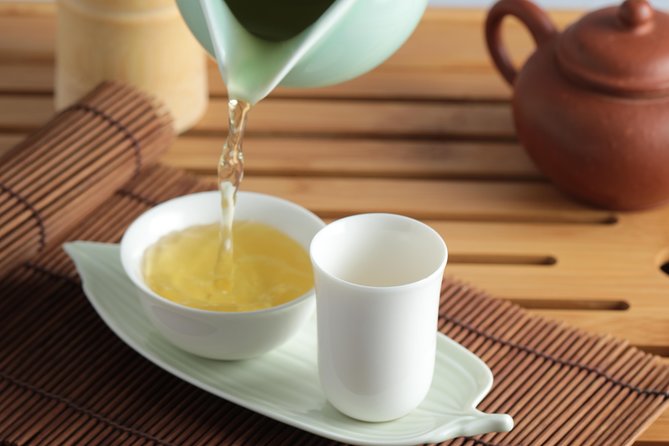
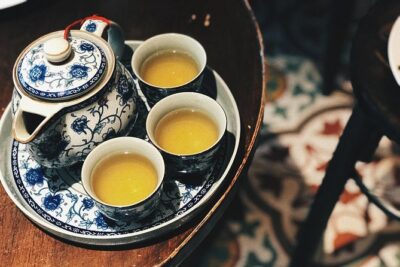
At the end of the baking portion, the instructor introduces Taiwanese tea culture and serves Taiwan oolong. This is more than a drink break. It gives you a reason to slow down and taste the pastries in the way they are commonly enjoyed.
Taiwan oolong is known for a distinct flavor linked to the island’s growing conditions. The experience uses the tea to show how aroma, texture, and sweetness work together.
I like this ending because it changes the pace. Baking requires measuring, shaping, and following instructions. Tea service gives you time to sit with the finished food and think about what you made.
The tea also connects the class to a wider part of Taiwanese food culture. You get a glimpse of the care placed on tea preparation and pairing, without needing to book a separate tea-focused activity.
Do not expect an extensive tea tasting with many varieties based on the available details. The promise is a traditional tea service and an introduction to Taiwanese tea culture, centered on oolong and served with your pastries.
The take-home box adds real value
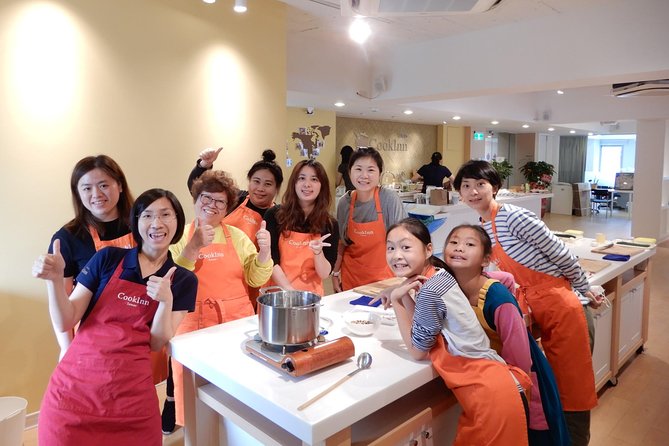
The special CookInn Taiwan souvenir box is one of the strongest practical features. Your pastries are packaged so you can bring them back to your accommodation, share them with family, or carry them home as gifts.
The class also provides recipes. That detail matters more than it may first seem. Without written instructions, a cooking class can remain a pleasant memory that is difficult to repeat. Recipes give you a chance to recreate at least part of the experience after returning home.
The packaging makes the activity work well near the end of a Taipei stay. You can attend the afternoon class, collect the box, and keep the treats as edible souvenirs. If you attend early in your trip, you can still enjoy them later, but remember that the tour information does not specify shelf life or storage instructions.
The take-home portion also helps explain the $80 price. You are paying for instruction, ingredients, tea, snacks, packaging, and a small group format, not merely for a tasting. The value is strongest if you enjoy making food and appreciate leaving with something tangible.
If you are only looking for inexpensive pastries, buying pineapple cakes from a shop will cost less. The class earns its price through participation, context, and the chance to make the gifts yourself.
Who will enjoy this Taipei class most
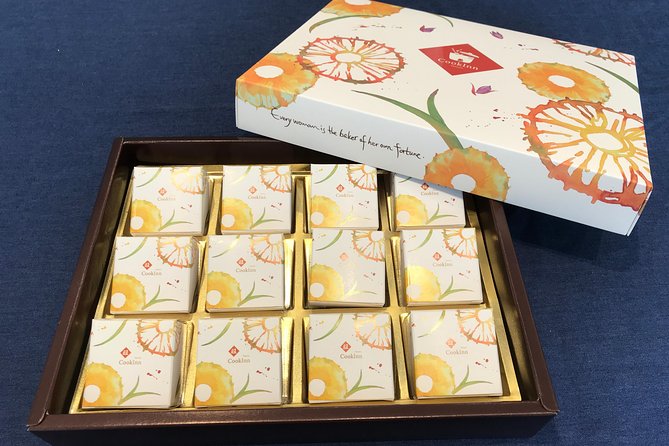
I would recommend this experience to food-focused visitors who want a break from standard sightseeing. It suits couples, friends, solo visitors, and families who enjoy a structured activity with an edible result.
It is also a good fit if you want a gentle introduction to Taiwanese culture. The language connection behind pineapple cakes, the meaning of good-fortune pastries, and the tea service give you cultural context without requiring a full-day program.
The maximum of 10 people is helpful for anyone who prefers a smaller class. You are more likely to hear the instructor and receive individual help than in a large group. That said, the provided details do not promise private instruction, so expect a shared class rather than a one-to-one lesson.
This may be less suitable if you need a full meal, want to learn many recipes, or dislike scheduled activities. The start time is fixed at 2:30 pm, and the session takes about two to two and a half hours. You will need to commit an afternoon block rather than drop in whenever convenient.
The class requires good weather according to its cancellation terms. Taipei weather can be unpredictable, so keep an eye on your booking messages and avoid scheduling an important evening commitment immediately afterward.
Practical value at $80 per person
At $80 per person, this is not a bargain pastry tasting. It is a mid-priced food activity, and the price makes the most sense when you use all of its parts.
You receive a hands-on baking lesson, snacks, tea service, instruction about Taiwanese pastries and tea culture, recipes, and a boxed selection of your work. The small maximum group also helps justify the cost because the class is designed for participation rather than a crowd watching a chef from a distance.
The value depends on your interests. I would happily consider the price reasonable if you enjoy cooking, want a meaningful souvenir, and prefer an activity with a clear beginning and end. If your main goal is to eat the cheapest pineapple cake in Taipei, I would spend the money elsewhere.
One positive point is that the experience gives you both immediate enjoyment and something to take away. You taste the pastries during tea service, then leave with more good fortune in the souvenir box.
Booking, cancellation, and timing notes
You receive confirmation when you book, and the activity uses a mobile ticket. The tour begins at 2:30 pm at CookInn Taiwan’s Zhongshan classroom and ends there.
Free cancellation is available if you cancel at least 24 hours before the start time. Cancellations or changes made inside that window are not refunded or accepted, so check your Taipei schedule before committing.
The activity can be canceled if the minimum number of participants is not reached or if poor weather affects the class. In that case, you are offered another date or experience, or a full refund.
Because the detailed description calls the class 2.5 hours while the short summary says 2 hours, I would reserve a three-hour window from arrival through departure. That leaves room for the baking, tea, packaging, and any final questions without making you rush to your next plan.
Should you book the Taiwanese baking class?
Book it if you want to make meaningful Taiwanese food, learn why pineapple cakes symbolize good fortune, and take home your own pastries in a prepared box. The patient instruction, recipes, small group limit, and oolong tea service give the class more substance than a quick souvenir tasting.
Skip it if you want a low-cost snack, a full meal, or an advanced baking workshop. For most food lovers, though, $80 is fair for a focused afternoon activity that combines cooking, culture, tea, and gifts you can share. I would place it on a Taipei itinerary when you want a slower, hands-on break between sightseeing days.
FAQ
Where does the baking class begin?
It begins at CookInn Taiwan’s Zhongshan classroom at 66 Section 1, Chengde Road, 2nd floor, Datong District, Taipei City, Taiwan.
What time does the class start?
The listed start time is 2:30 pm.
How long does the experience last?
The detailed description says approximately 2.5 hours, while the short tour summary says 2 hours. Plan for about two to two and a half hours.
What pastries will I learn to make?
The class teaches you to make traditional Taiwanese pineapple cakes and mung bean cakes. It also includes scallion nougat crackers.
Is tea included?
Yes. Snacks and a traditional Taiwanese tea service are included, with Taiwan oolong served alongside the pastries.
Can I cancel for a full refund?
Yes, if you cancel at least 24 hours before the experience start time. Cancellations made less than 24 hours in advance are not refunded.
More Food Tours in Taipei
- The Award-Winning Private Food Tour of Taipei: The 10 Tastings
★ 5.0 · 716 reviews - Taipei: Food Tours w/ Top 10 Taiwan Food (Breakfast/Dinner)
★ 4.7 · 517 reviews - Taipei: Private Food Tour – 10 Tastings with Locals
★ 4.9 · 218 reviews - Taipei: Street Food & Hidden Eats Night Market Food Tour
★ 4.8 · 112 reviews
Just listed around Taipei
- Vintage Taipei – Best of Taiwan and Sunset Walking Tour★ 5.0 · 4 reviews
- One Day Tour of Yilan, Zhang Mei Ama Farm★ 5.0 · 2 reviews
- Private Yangmingshan National Park Hiking Day Tour from Taipei★ 5.0 · 5 reviews
- Yilan 1-Day Private Tour to Kavalan Whisky & Cultural Gems★ 4.5 · 3 reviews
- Yangmingshan National Park & Hot Spring Tour (afternoon )★ 3.0 · 2 reviews
- Keelung Shore Excursion: Private 6H Natural Wonder & Seafood Tour★ 5.0 · 3 reviews
- One-day Yangmingshan NP Beitou Hot Spring Park and Tamsui Tour Package★ 5.0 · 2 reviews
- Best of Taiwan 9 Days Tour★ 3.5 · 3 reviews
Tea Plantation Tours, compared.

Thousand Island Lake and Pinglin Tea Plantation
Read our review →
Thousand Island Lake and Pinglin Tea Plantation from Taipei
Read our review →
Pinglin Tea Culture and Maokong Guided Day Tour
Read our review →
Pinglin Tea Culture & Maokong Day Tour from Taipei
Read our review →
Sip & Savor: Maokong Tea & Shenkeng Stinky Tofu Private Day Tour
Read our review →
Taiwan Traditional Breakfast & Market & Tea Tasting
Read our review →
Browse the lists this tour appears in