
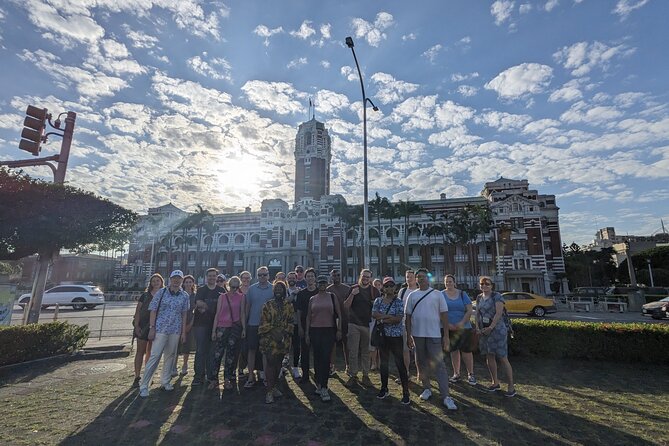
Reviewed · TAIPEI LANDMARKS & OLD TOWN
Taipei Old Town – Taiwan Introduction Walking Tour (Tip-Based)
Taipei’s past is hiding in plain sight. This two-hour-15-minute walk links memorials, markets, colonial buildings, and Ximending while explaining how Taiwan became the place you see today. I like the clear route from 228 Peace Memorial Park to Ximen, and I like that guides such as Bessie, Leo, James, Vincent, and Tâilé bring politics and personal stories into the conversation.
The small booking fee is appealing, but remember that the guide’s tip is separate. The main drawback is Taipei’s heat, humidity, rain, and occasional steps, so comfortable shoes, water, and a flexible attitude will make a real difference.
In This Review
- Key points to know before you book
- Why this Taipei walk works best on day one
- Beginning at 228 Peace Memorial Park
- Seeing the Presidential Office Building in context
- Chengzhong Market brings daily life into the story
- Ximending gives the tour its modern energy
- The Red House explains Ximending’s creative side
- Zhongshan Hall closes the historical loop
- The guides are the heart of the experience
- What the $5 price really means
- Heat, rain, steps, and walking comfort
- Who should book this walking tour
- Should you book Taipei Old Town to Ximending?
- FAQ
- How much does the Taipei Old Town walking tour cost?
- How long does the tour last?
- Where does the tour begin?
- Where does the tour end?
- What places does the tour visit?
- Are food and snacks included?
- Can I cancel for a full refund?
Key points to know before you book
- Taiwan’s difficult modern story comes first: The walk explains Japanese colonial rule, Qing influence, the 228 Incident, and Chiang Kai-shek’s arrival in Taiwan.
- The route ends in Ximending: You finish among shops, food spots, entertainment venues, and the historic Red House.
- Guides make the difference: Bessie, Leo, James, Chester, Vincent, Tâilé, Andy, Bri, and Veronica have all led highly praised departures.
- The price is only the starting point: The listed cost is $5 per person, but you should budget an additional tip for the guide.
- Expect a manageable but weather-sensitive walk: The pace is generally comfortable, though heat, humidity, rain, and some steps can affect the outing.
- Confirm the meeting point carefully: Instructions refer to NTU Hospital Station Exit 4 at street level and a YouBike location, so use your booking confirmation and the tour WhatsApp link if needed.
Why this Taipei walk works best on day one
I like this tour because it gives you a working map of central Taipei before you begin exploring on your own. Instead of seeing the Presidential Office Building, Ximending, or a market as isolated sights, you learn how they connect to Taiwan’s political and cultural story.
The subject matter is not light. The guide discusses foreign rule, the 228 Incident of 1947, political oppression, Japanese influence, Qing influence, and the retreat of Chiang Kai-shek to Taiwan. Yet the experience is not presented as a dry lecture. James, for example, is praised for mixing jokes with serious material, while Leo is noted for explaining complex subjects in a clear and inclusive way.
That combination is the tour’s main strength. You get a short introduction to Taiwan that is useful for the rest of your trip. You may also leave with better questions for museum visits, temple stops, food tours, and conversations with local people.
The route is listed as a private activity for your group, but comments describe departures with more than ten people. That difference is worth clarifying when you book, especially if you care about group size. The available booking details also show both NTU Hospital Station Exit 4 and YouBike 2.0100 as meeting information. Check the exact confirmation rather than relying on a general map pin.
More Taipei landmarks and old-street walks:
- Taipei: Taipei 101 Observatory Deck Entry Ticket
★ 4.6 · 847 reviews - Taipei: Priority Pass Taipei 101 Observatory Deck Ticket
★ 4.7 · 467 reviews - Taipei: National Palace Museum E-Ticket
★ 4.4 · 273 reviews
Beginning at 228 Peace Memorial Park
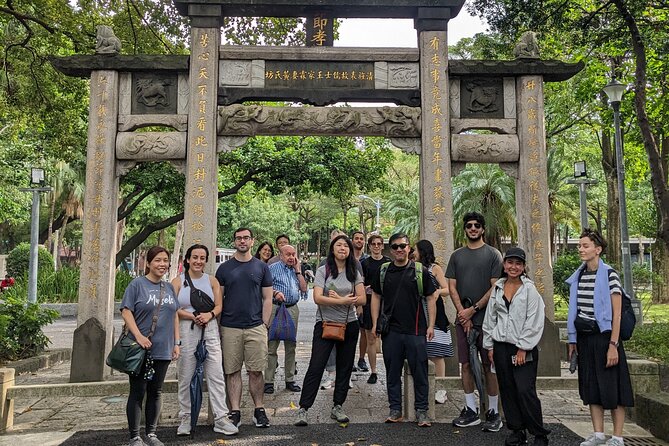
The walk starts at NTU Hospital Station Exit 4, at street level, and soon reaches 228 Peace Memorial Park. This is the emotional center of the tour.
The park memorializes victims of the February 28 Incident of 1947, a period of violence and repression that remains central to Taiwan’s modern identity. A guide can help you understand why this is not simply another pleasant city park. The memorials give the history a physical setting, and the discussion helps connect the event to Taiwan’s later political development.
I value this opening because it sets the tone for the rest of the walk. You are not getting a list of dates and rulers. You are being asked to think about how people experienced changes in power, what could be spoken about openly, and how older events still shape public life.
The scheduled stop lasts about 20 minutes. That is enough for an introduction, but not enough for every detail. If you have a strong interest in the 228 Incident, you will want to ask questions and perhaps return later to study the subject at greater length.
Seeing the Presidential Office Building in context
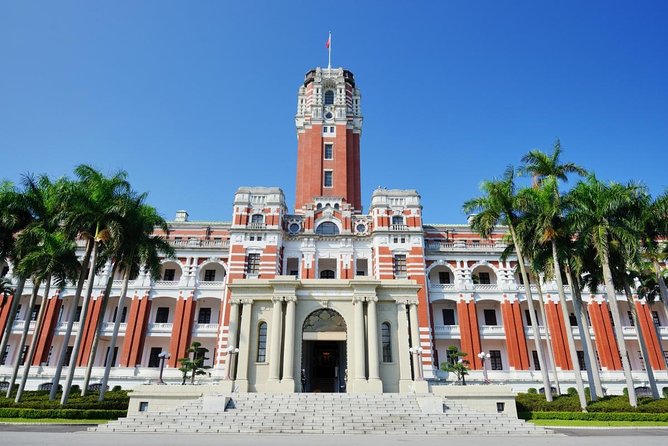
The next part focuses on the Presidential Office Building, one of Taipei’s best-known official structures. It was originally built during Japanese colonial rule as the Office of the Governor-General of Taiwan, and its function gives you a useful way to read the city.
The building is more than an architectural photo stop. Its original purpose points to the power structure Japan established on the island. The guide uses it to explain how colonial administration shaped Taipei and how later governments used the same urban center for a different political era.
This is where the tour’s historical approach pays off. You can look at a grand government building and ask who designed it, who worked inside it, and who had authority over ordinary people outside its walls. That is a more useful way to see architecture than simply noting its age or taking a picture.
The exact length of this stop is not listed separately, so expect the guide to balance the building with the rest of the route. The tour has a lot to cover in a little more than two hours, and the depth of the discussion may depend on the guide and the questions from your group.
Chengzhong Market brings daily life into the story
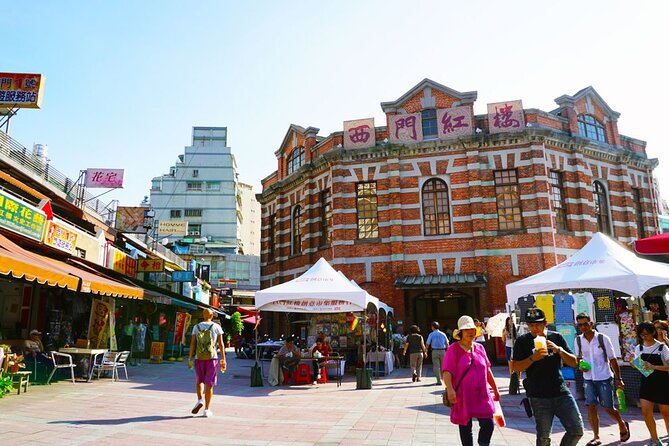
Chengzhong Market provides a welcome change of pace. This covered bazaar sells logo T-shirts, household goods, and snacks, including ba-wan dumplings.
I like this stop because it moves the tour away from official buildings and memorials. Markets show how a city works at street level. You see the ordinary commercial life that continues around the major political sites, and you get a chance to notice local food and shopping habits.
The scheduled visit is about ten minutes. That is enough to take in the atmosphere and hear an explanation, but it is not a market tour or a dedicated food tasting. Snacks are not included, so bring money if you want to buy something.
You may also find this is the first good moment to ask about food recommendations. One guide, James, gave an ice cream stop and lunch suggestion during a hot departure, while other comments specifically advise bringing cash for drinks and after-tour purchases. Those extras are not part of the formal package, but they can make the walk more comfortable.
More Walking Tours in Taipei:
- [Private Tour] Shilin Night Market Walking Tour With a Private Tour Guide (2-hr)
★ 5.0 · 123 reviews - Taipei: 2-Hour Raohe Night Market Walking Tour
★ 4.6 · 69 reviews - 2-hr Raohe Night Market Walking Private Tour with a Tour Guide
★ 5.0 · 61 reviews - Vintage Taipei – Best of Taiwan & Sunset Walking Tour (Tip-based)
★ 5.0 · 52 reviews
Ximending gives the tour its modern energy
The longest stop is Ximending, with about an hour set aside for the area. Often compared with Harajuku in Tokyo, Ximending is a pedestrian shopping and entertainment district filled with fashion stores, restaurants, clubs, and bars.
This is a useful contrast to 228 Peace Memorial Park and the Presidential Office Building. Ximending shows present-day Taipei as a place of youth culture, shopping, food, and nightlife. The tour helps you see how the district fits into the older city rather than treating it as a separate entertainment zone.
You will have time to take in the streets and ask questions, but do not assume the hour is unstructured shopping time. The guide is still tying the area to Taipei’s cultural development. If you want to browse every shop, eat a full meal, and take photos at leisure, plan to return after the tour.
Ximending is also a practical place to continue your day. The tour ends nearby, and the area offers plenty of options for food and further exploring. The route gives you enough orientation to return later with more confidence instead of wandering without a plan.
The Red House explains Ximending’s creative side
The Ximen Red House is a short walk from the district’s main streets. Built by the Japanese in 1908, this Western-style building and its surrounding square now serve Taipei’s creative and cultural scene, with exhibitions and performances.
The building helps tie together the tour’s main themes. Japanese rule appears in the structure itself, while its present use shows how an old building can take on a new role in a changing city. It is a good example of Taipei’s habit of placing old and new uses close together.
The scheduled stop lasts about 20 minutes. That gives you time for an explanation and a look at the building, but the tour does not promise a full exhibition visit or performance. If something catches your eye, you may need to come back independently.
I would make a note of the Red House as a return stop. The surrounding square can be a pleasant place to pause, and the area is close to the shops and food of Ximending. The tour’s short visit is best treated as an introduction.
Zhongshan Hall closes the historical loop
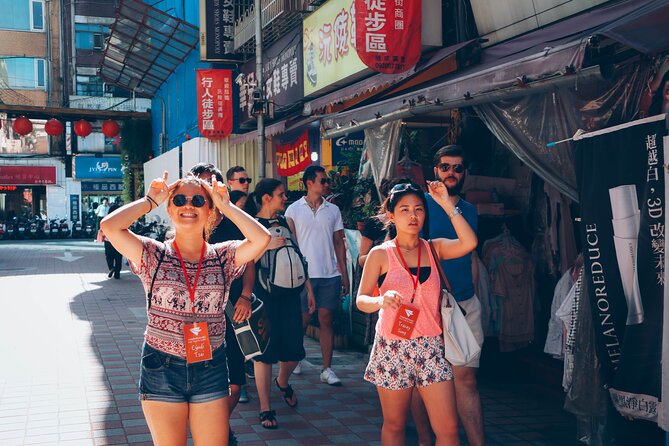
The final listed stop is Taipei Zhongshan Hall, originally built as the Taipei City Public Auditorium. It provides another look at the civic architecture of central Taipei and gives the route a quieter finish after the crowds and signs of Ximending.
This closing stop works because it returns the discussion to public space and government. By now, you have seen a memorial park, a former colonial administrative office, a market, a shopping district, and a historic cultural building. Together, these places show Taipei through politics, commerce, memory, and everyday life.
The stop lasts around ten minutes. It is brief, so expect an overview rather than a full architectural tour. The stated end point is No. 4, Chengdu Road, in Wanhua District, close to Ximending.
The guides are the heart of the experience
The strongest praise goes to the guides, not to the route alone. Bessie is repeatedly described as clear, patient, and able to answer questions about Taiwan’s past and present. Leo is praised for his storytelling, humor, and ability to explain a complicated regional history without making it harder to follow.
James brings a lighter touch. His humor helped keep the subject engaging, and he adjusted to the weather by finding shade, allowing water refills, and helping with food suggestions. Chester is also described as friendly, funny, and effective at giving visitors a useful first orientation.
Tâilé is noted for enthusiasm, care with difficult subjects, and good pacing. Veronica handled a larger group in hot weather, while Andy kept the walk lively and informative. Bri is described as giving a substantial explanation of how earlier politics affect Taiwan’s current political and economic climate.
Because several guides lead the experience, your exact tone will vary. One departure may feel like a formal history lesson. Another may be more conversational, with jokes and long question periods. The common thread is an effort to explain Taiwan through its people and political changes, rather than reciting sightseeing facts.
What the $5 price really means
At $5 per person, the booking price is unusually low for more than two hours with a professional guide. I see it as a low-risk way to get oriented, especially if this is your first day in Taipei.
But this is a tip-based tour, so the $5 is not the full cost of the guide service. The tip is not included, and you should plan to reward the guide separately according to the quality and length of the experience. Think of the booking fee as access to the scheduled walk, not as a complete all-in price.
The value is especially good if you are interested in history and plan to use the information later. You learn why several central sites matter, get a basic sense of the old town, and receive ideas for further food and sightseeing. If you mainly want shopping time or a relaxed stroll with little explanation, the historical focus may feel heavier than expected.
Group discounts are available, and mobile tickets make the booking simple. Snacks are not included, so carry cash for drinks or food. The guides may suggest an ice cream or lunch stop, but those purchases are your responsibility.
Heat, rain, steps, and walking comfort
The walk is described as manageable and generally well paced, including for children, but Taipei weather can change the experience. Hot, humid conditions made water and shade important on several departures. Another outing continued in steady rain, with the guide using covered areas when possible.
Wear comfortable shoes. One comment specifically warns that there can be many steps, and another describes a rough stone path. This is not a strenuous mountain walk, but it is not a fully smooth, indoor visit either.
Bring water, especially in warm weather. An umbrella or light rain protection is sensible because the experience depends on suitable weather and may be canceled if conditions are poor. The tour provider offers another date or a full refund in that situation.
Most people can participate, and service animals are allowed. The route is near public transportation, which makes it a practical first activity after arriving in Taipei.
Who should book this walking tour
I would choose this tour if you want a fast introduction to Taiwan’s political history, prefer learning while walking, and plan to explore central Taipei afterward. It is also a strong choice for anyone who feels lost when a city’s monuments lack context.
Families can manage the pace, though younger children may not connect with every discussion of political violence and colonial rule. History-minded visitors will get the most from it, especially if they ask questions and take notes on places to revisit.
You may want another type of activity if you are seeking a food-focused tour, an architectural study, or a long, leisurely market visit. This experience covers many themes quickly. Its purpose is orientation and explanation, not an exhaustive look at each stop.
Cancellation is free up to 24 hours before the start time. Changes or cancellations inside that window are not accepted for a refund, and the provider may offer a new date or full refund if poor weather or low numbers force cancellation.
Should you book Taipei Old Town to Ximending?
Yes, if you want history with your first look at Taipei. The $5 booking fee gives you an affordable entry point, and the strongest guides turn a difficult subject into a clear, human story.
Book it early in your visit, carry water and cash, and confirm the meeting point. I would also clarify the expected group size, since the activity is described as private while some departures have included more than ten people.
Skip it only if you want a food crawl, a quiet photo walk, or lots of free time at each attraction. For a practical introduction to Taiwan’s past, present politics, and central Taipei streets, this is a very good value.
FAQ
How much does the Taipei Old Town walking tour cost?
The listed booking price is $5 per person. The guide’s tip is not included, so you should budget an additional amount for the tip.
How long does the tour last?
The experience lasts approximately two hours and 15 minutes.
Where does the tour begin?
The meeting instructions specify NTU Hospital Station Exit 4 at street level. The booking details also show a YouBike 2.0100 location, so check your confirmation for the exact meeting point.
Where does the tour end?
The stated end point is No. 4, Chengdu Road, Wanhua District, Taipei City, near Ximending.
What places does the tour visit?
The route includes 228 Peace Memorial Park, the Presidential Office Building, Chengzhong Market, Ximending, the Ximen Red House, and Taipei Zhongshan Hall.
Are food and snacks included?
No. Snacks are not included. You should bring cash if you want to buy food, drinks, or other items during or after the walk.
Can I cancel for a full refund?
Yes, if you cancel at least 24 hours before the experience begins. Cancellations or changes made less than 24 hours before the start time are not refunded.
Just listed around Taipei
- Vintage Taipei – Best of Taiwan and Sunset Walking Tour★ 5.0 · 4 reviews
- One Day Tour of Yilan, Zhang Mei Ama Farm★ 5.0 · 2 reviews
- Private Yangmingshan National Park Hiking Day Tour from Taipei★ 5.0 · 5 reviews
- Yilan 1-Day Private Tour to Kavalan Whisky & Cultural Gems★ 4.5 · 3 reviews
- Yangmingshan National Park & Hot Spring Tour (afternoon )★ 3.0 · 2 reviews
- Keelung Shore Excursion: Private 6H Natural Wonder & Seafood Tour★ 5.0 · 3 reviews
- One-day Yangmingshan NP Beitou Hot Spring Park and Tamsui Tour Package★ 5.0 · 2 reviews
- Best of Taiwan 9 Days Tour★ 3.5 · 3 reviews
Taipei Landmarks & Old Town, compared.


Priority Pass Taipei 101 Observatory Deck Ticket
Read our review →
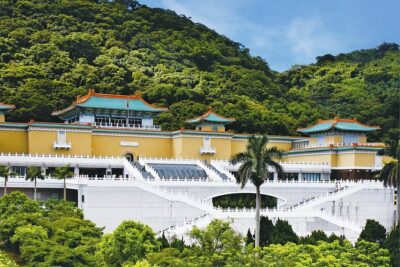
Taipei City Morning Tour with National Palace Museum entry
Read our review →
Morning City Tour with National Palace Museum Entry
Read our review →
Yehliu & Jiufen & Shifen Day Tour (Departure from Ximending)
Read our review →
Taipei Cooking Class & Market Adventure in Historic Dadaocheng
Read our review →Browse the lists this tour appears in