
Reviewed · MUSEUMS
New Taipei City: Golden Museum (Gold Ecological Park) Ticket
Gold still glitters in Jinguashi. I like this one-day Gold Museum ticket because it lets you explore at your own pace, and I like the mix of mining history, Japanese architecture, and hands-on exhibits. The main thing to consider is that transportation is not included, so you must make your own way to New Taipei City.
This is more than a display of old tools. You can walk through Benshan No. 5 Tunnel, see a gold brick you can touch, try a river-gold panning exhibit, and enter preserved wooden residences. The grounds are calm and spread out, so plan to spend several hours rather than rushing through in one quick museum visit.
The ticket costs about $2.54 per person, which is excellent value for a full day of access. Children aged 0 to 12 and seniors aged 65 or older enter free, adding to its appeal for families and mixed-age groups.
In This Review
- Key points to know before you go
- Why Jinguashi’s gold story matters
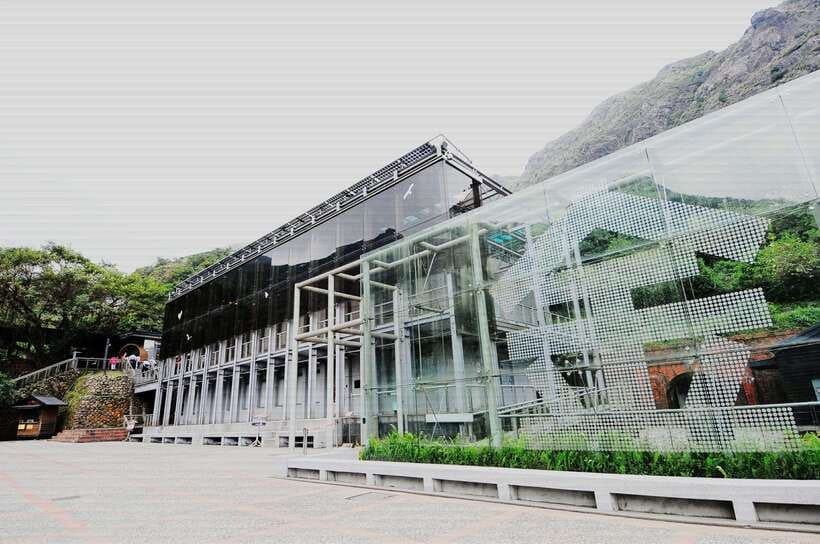
- The Gold Building: models, machines, and a touchable gold brick
- Benshan No. 5 Tunnel: a close look at mining conditions
- The Metal Art Building: gold beyond mining
- Four Joined Japanese-Style Residence: wood, space, and film appeal
- Gold Refining Building: a film and a multimedia activity
- Crown Prince Chalet and its Japanese garden
- The Good Earth and the geology behind the mine
- How to plan your one-day visit
- Is the $2.54 ticket good value?
- Who should book this museum ticket?
- Should you book the Gold Museum?
- FAQ
- Where is the Gold Museum located?
- How long is the ticket valid?
- What does the ticket include?
- Is transportation included?
- How do I enter the included museum buildings?
- Can children enter for free?
- Can seniors enter for free?
- Can I cancel the booking?
Key points to know before you go
- Touch real gold: The second floor of the Gold Building includes a gold brick that you can actually place your hand on.
- Walk inside a mine: Benshan No. 5 Tunnel gives you a direct look at the tight, working environment once used by miners.
- See rare Japanese wooden homes: The Four Joined Japanese-Style Residence is one of the few surviving buildings of its kind in Taiwan.
- Try gold panning without a river: Interactive exhibits in the Gold Building and Gold Refining Building turn mining into a hands-on activity.
- Learn about wartime history: The Gold Building explains the former World War II Allied prisoner-of-war camp at Jinguashi.
- Use the ticket carefully: Redeem it at the entrance and receive a hand stamp for access to the Gold Building, Metal Art Building, Gold Refining Building, and Four Joined Japanese-Style Residence.
Why Jinguashi’s gold story matters
Jinguashi is tied closely to Taiwan’s mining past. Gold shaped the area’s work, buildings, economy, and daily life. At the Gold Museum, you see that story in physical form, from tunnel models and machinery to miners’ working conditions and the way Japanese planners developed the town.
I like that the museum does not limit itself to gold as a precious metal. It also explains the geology that formed the deposits, the coastal hills around the mine, and the connection between nature and industry. This gives you a fuller picture of why Jinguashi developed here in the first place.
You can visit the museum slowly, moving between the buildings and outdoor areas. There is no fixed guided route described for this ticket, so you control the pace. That works well if you want time for photographs, short pauses, or a closer look at the displays.
The grounds have a quiet feel, but the site is spread across several buildings. Wear comfortable shoes and allow enough time to walk between the main attractions. The ticket is valid for one day, which removes the pressure to see everything in one hurried circuit.
More Museum Visits in New Taipei City:
- Fort San Domingo, Tamsui Historical Museum: Ticket Combo
★ 5.0 · 2 reviews - Taipei: National Palace Museum E-Ticket
★ 4.4 · 273 reviews - Taipei City Morning Tour with National Palace Museum entry
★ 4.0 · 232 reviews
The Gold Building: models, machines, and a touchable gold brick
Start with the Gold Building. Its first floor introduces the Benshan tunnels with a model that helps you understand the mine below the hills. Mining equipment adds scale and texture to the story. Old machinery can look plain at first, but here it helps you picture the hard physical work behind every piece of extracted metal.
This floor also covers the World War II Allied P.O.W. camp connected with Jinguashi. That subject gives the museum a darker historical layer. The site was not only about production and prosperity. It was also connected to wartime detention and the experiences of prisoners.
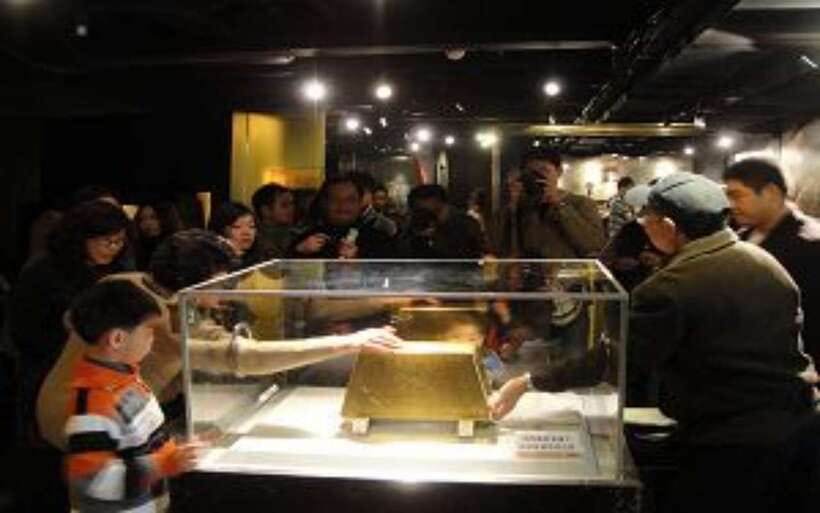
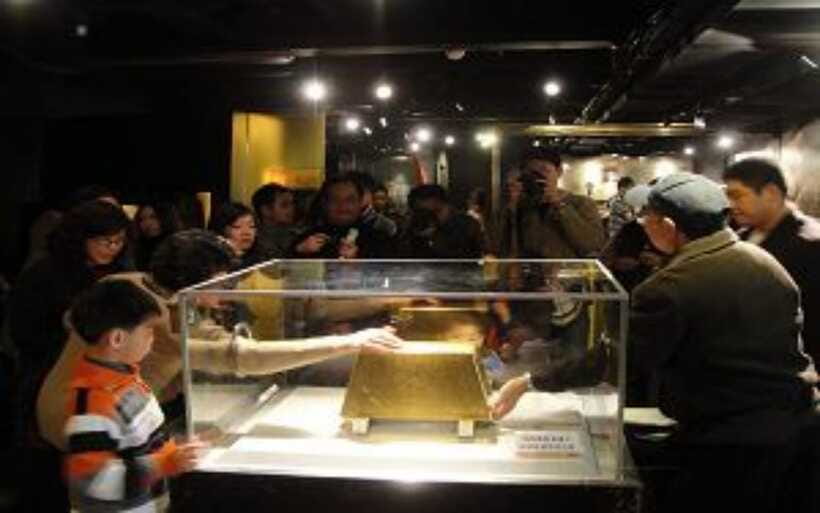
The second floor takes a more direct approach to gold. Its gold brick is a memorable feature because you can touch it. That small act makes the subject less abstract. Instead of hearing only about weight, value, and mining output, you feel the density of the material under your hand.
The third floor offers a gold-panning experience. It is designed as an interactive activity, making it especially useful if you are visiting with children or anyone who learns better by doing. Do not expect a working mine operation. Think of it as a museum activity that shows how people search for small traces of gold.
The Gold Building is one of the best places to begin because it gives you the basic story before you move into the tunnel, residences, and other exhibits.
Benshan No. 5 Tunnel: a close look at mining conditions
Benshan No. 5 Tunnel is one of the most direct parts of the visit. The old tunnel has been specially repaired so you can walk through a section of a real mining passage.
This stop helps put the museum’s equipment and tunnel model into context. A diagram can explain a mine, but a tunnel gives you a better sense of the confined working space. You can start to imagine the repeated labor needed to remove material from the mountain.
The tunnel is not presented as a thrill ride. Its value comes from its plain physical setting. You are looking at the place where mining happened, not a modern recreation built only for entertainment.
If enclosed spaces are uncomfortable for you, this is the attraction to consider most carefully. The supplied information does not give details about tunnel length or interior conditions, so you should be prepared for a genuine underground passage rather than a large open gallery.
The Metal Art Building: gold beyond mining
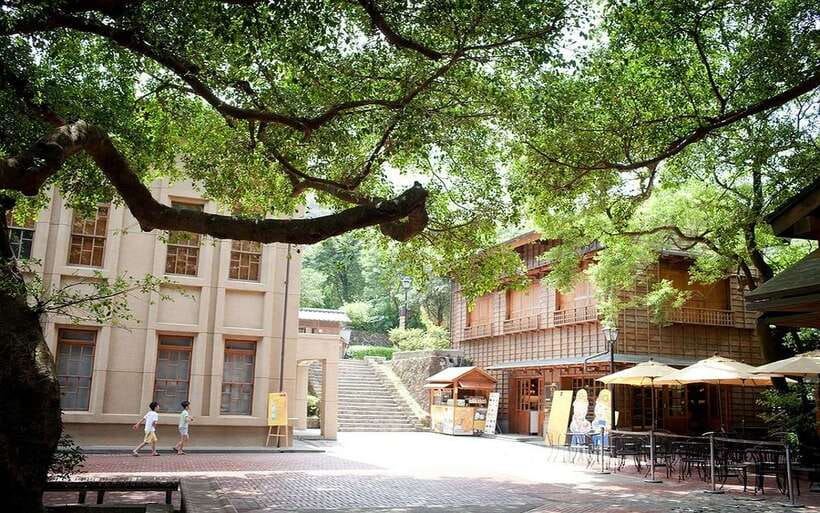
The Metal Art Building shifts attention from extraction to craftsmanship. Its collection includes traditional gold ornaments, metal craft pieces, and profiles of Taiwanese gold and metal artists.
This is a useful change of pace. After seeing machinery, tunnels, and industrial history, you can look at what skilled makers do with metal once it has been refined. The exhibits also address the visual appeal of metal, not just its price or practical use.
Digital technology helps explain the design and ideas behind the objects. I would give this building more time than you might expect. Small ornaments and crafted pieces reward close viewing, especially if you enjoy decorative art or traditional techniques.
The collection also adds a Taiwan-specific viewpoint. Gold is not treated only as a global commodity. It appears as part of local craft, artistic taste, and cultural expression.
A few more New Taipei City trips worth lining up
- From Taipei: Yehliu, Jiufen, and Pingxi Day Tour
★ 4.7 · 892 reviews - From Taipei: Shifen, Jiufen, and Yehliu Geopark Day Tour
★ 4.4 · 189 reviews - Taipei: Jiufen and Shihfen Half Day Tour
★ 4.8 · 57 reviews - From Taipei: Jiufen & Shifen The Taiwan Charm Day Tour
★ 4.9 · 31 reviews
Four Joined Japanese-Style Residence: wood, space, and film appeal
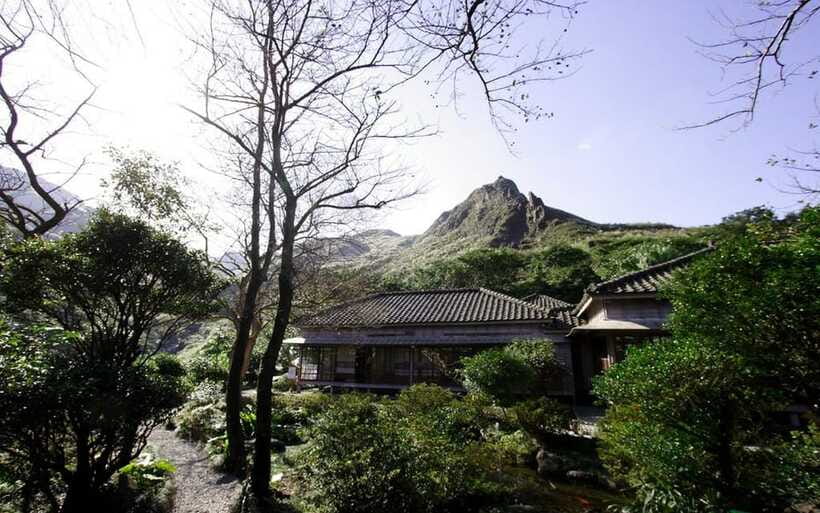
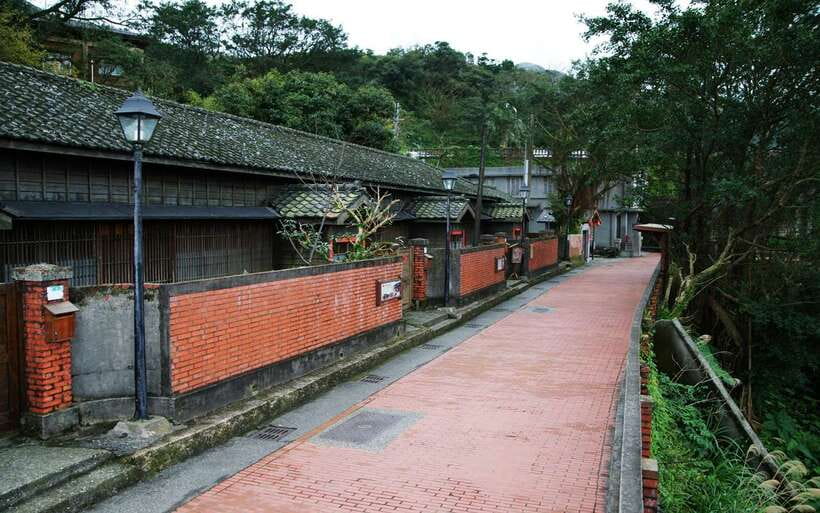
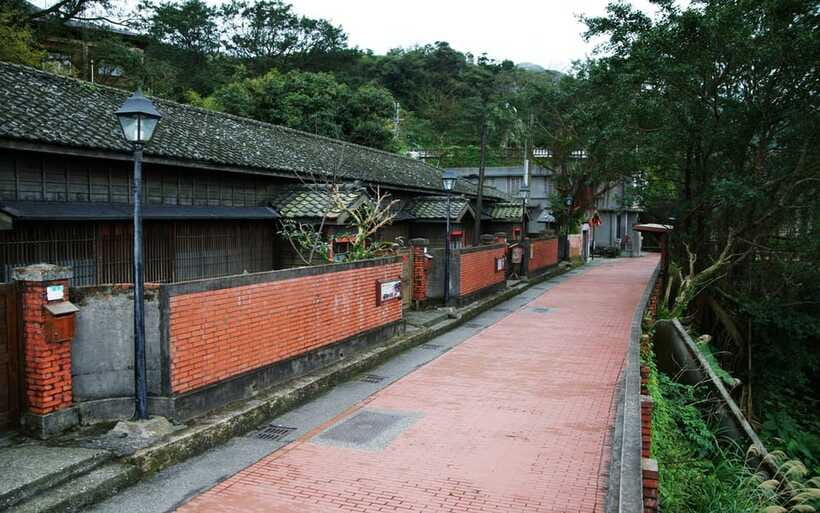
The Four Joined Japanese-Style Residence is one of the most distinctive parts of the Gold Museum. It is one of the few surviving Japanese buildings of this type in Taiwan, with delicate wooden construction and layered wall boards.
The name describes the unusual arrangement of connected residences. Inside, the rooms have been adapted into a display and living-art experience. You can look at the building as both a historic home and an example of Japanese-era construction.
The woodwork gives this stop much of its charm. Simple materials, connected rooms, and careful proportions create a different mood from the industrial buildings. The residences have also been used as a filming location, which makes sense once you see the preserved structure and quiet interiors.
Do not treat this as a quick photo stop only. Look at how the rooms connect and how the building’s design differs from a modern museum. The interior displays help you think about daily life, not just architecture.
You need the hand stamp from the entrance to enter this building. Make sure you redeem your ticket with museum staff before setting off. Without the stamp, access to the included buildings may not be available.
Gold Refining Building: a film and a multimedia activity
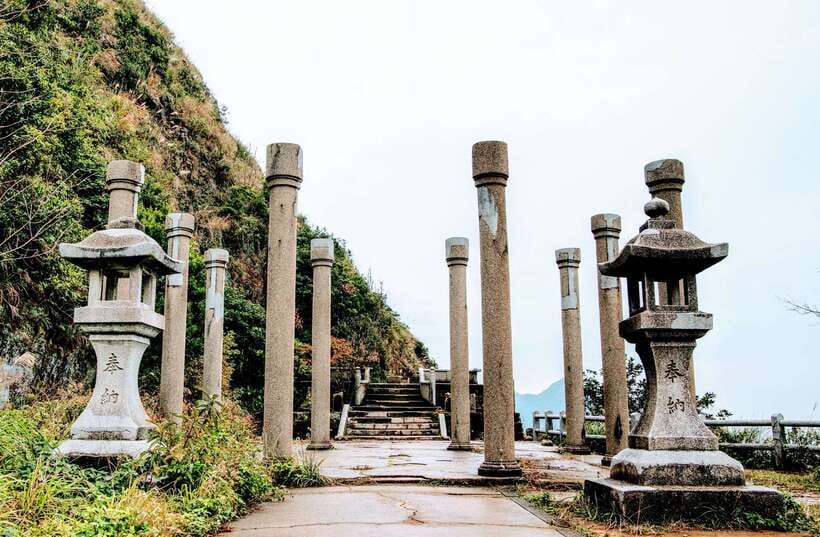
The Gold Refining Building explains what happened after material came out of the mine. Its first floor includes a small special exhibition hall and a theatre showing Kin-San’s Life in a Mountain Town.
The film focuses on early mining and everyday life in the mountain town. This is worth fitting into your visit because it connects the separate exhibits. After looking at tunnels and machines, you get a more human sense of the community that grew around the mine.
The second floor includes a multimedia gold-panning activity. This gives you another way to understand the search for gold, with technology replacing the physical river setting.
The two panning activities are similar in subject but different in format. The Gold Building offers a third-floor panning experience, while the Gold Refining Building uses multimedia on its second floor. If you enjoy interactive exhibits, you will want to try both. If you prefer quiet displays, you can spend less time here and focus on the historic structures.
Crown Prince Chalet and its Japanese garden
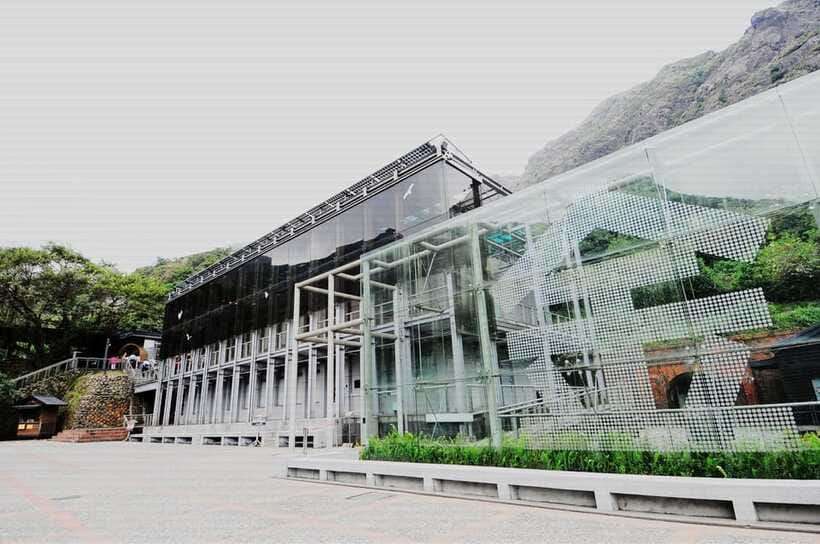
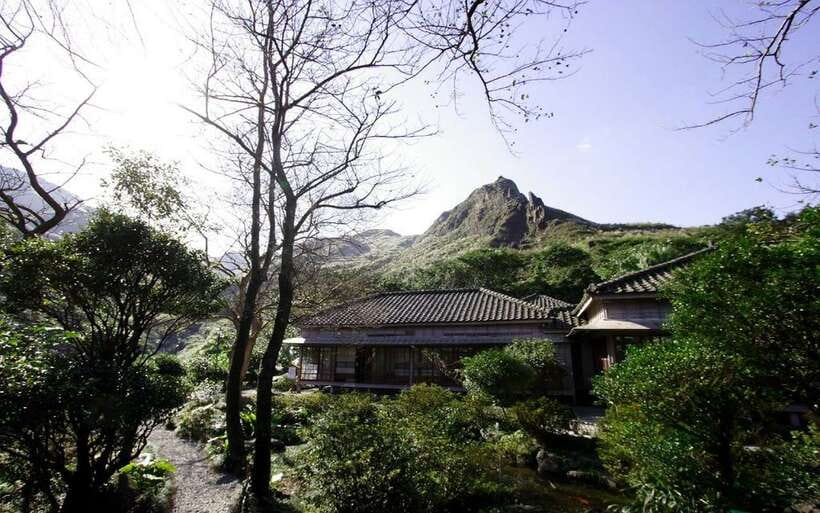
The Jinguashi Crown Prince Chalet was built in 1922 for a planned visit by Crown Prince Hirohito to inspect the local mining industry. The visit did not define the building’s value. The chalet itself shows how high-status Japanese architecture was adapted for Taiwan.
The building combines Japanese design with Western features. That mix is easy to miss if you rush, so pause to notice the formal planning and the way the structure relates to the garden.
On the north side, you will find a Japanese garden. On the south side are a miniature golf course and an archery field. These details show that the chalet was designed as more than a practical inspection point. It was also a refined retreat linked to status, ceremony, and leisure.
The garden is a peaceful part of the museum grounds. When you walk among the Japanese buildings and planted areas, the visit feels slower and more reflective. The provided information does not specify which areas are open at every time, so follow the museum’s signs and staff directions when you arrive.
The Good Earth and the geology behind the mine
The Good Earth exhibition uses Mother Earth, or Gaia, as a symbol for the mine’s abundance. Its permanent exhibition, Clairvoyance of the Mine, links three subjects: the geology that formed the deposits, the ecology of the coastal hills, and the culture created by mining.
This is an important part of the visit because it prevents the gold story from becoming too narrow. You are not only looking at what people removed from the ground. You are also considering how the earth formed the minerals, how plants and animals occupy the hills, and how mining changed human life.
The exhibition is a good choice if you want context rather than only objects. It can also help younger visitors understand that a mine is part of a larger natural system.
How to plan your one-day visit
Your ticket is valid for one day, not for a timed tour. That gives you flexibility, but it also means you should take responsibility for your schedule.
A practical order is:
- Begin at the entrance and redeem the ticket with museum staff.
- Visit the Gold Building for the tunnel model, equipment, wartime history, touchable gold brick, and panning activity.
- Walk through Benshan No. 5 Tunnel.
- See the Four Joined Japanese-Style Residence while you are focused on the historic buildings.
- Continue to the Metal Art Building for ornaments and metalwork.
- Visit the Gold Refining Building for the film and multimedia exhibit.
- Finish with the Crown Prince Chalet, Japanese garden, and The Good Earth if you still have time and energy.
This order is only a suggestion. The attraction is designed for self-paced exploration, so you can adjust it around opening conditions, staff instructions, and your interests.
Transportation is not included, and no hotel pickup or drop-off is provided. Check your route to New Taipei City before booking, especially if you are building the museum into a larger day out. The low ticket price is excellent, but it does not cover getting there.
Is the $2.54 ticket good value?
Yes, for most visitors it is an easy value. The ticket covers the Gold Museum for a full day and includes access to several different buildings, a mining tunnel, historic residences, outdoor grounds, and interactive exhibits.
The price is especially favorable for families because children aged 0 to 12 enter free. Seniors aged 65 and older also enter free, making the museum practical for a family group with several generations.
The value depends partly on how much time you give the site. If you rush in, photograph one building, and leave, you will not get the full benefit. If you enjoy history, architecture, craft, and hands-on exhibits, the museum can fill a good portion of your day.
The only major cost consideration is transport. Since the ticket does not include transfers, compare the admission price with your total day budget, not the ticket alone.
Who should book this museum ticket?
I would recommend it to families, history fans, architecture lovers, and anyone who likes museums that mix indoor exhibits with outdoor exploration. Children have several hands-on elements, while adults can spend more time with the mining, wartime, and architectural details.
It is also a good choice if you dislike rigid tours. You are not tied to a guide or a group schedule. You can pause at the gold brick, watch the film, inspect the residences, or skip an exhibit that does not interest you.
You may want to reconsider if you want a guided mine tour, hotel transportation, or a tightly scheduled experience. Those services are not included. The museum gives you the setting and exhibits, but you must arrange your own arrival and decide how to organize the day.
Cancellation is flexible if your plans change, with a full refund available when you cancel at least 24 hours ahead. You can also reserve now and pay later, which helps if your Taiwan schedule is still taking shape.
Should you book the Gold Museum?
Book it if you want an affordable, self-paced look at Jinguashi through mines, metalwork, Japanese buildings, and interactive activities. The touchable gold brick and Benshan No. 5 Tunnel give the visit memorable physical details, while The Good Earth and the wartime displays add useful context.
I would skip it only if reaching New Taipei City is inconvenient or if you want transportation and a guide included. For everyone else, the $2.54 admission price is small compared with the number of buildings and subjects covered. Plan for several hours, collect your hand stamp at the entrance, and let the museum’s quiet setting slow you down.
FAQ
Where is the Gold Museum located?
The Gold Museum is in Jinguashi, New Taipei City, Taiwan.
How long is the ticket valid?
The ticket is valid for one day.
What does the ticket include?
It includes entry to the Gold Museum.
Is transportation included?
No. Hotel pickup and drop-off are not included.
How do I enter the included museum buildings?
Redeem your ticket with museum staff at the entrance and receive a hand stamp. The stamp is used for entry to the Four Joined Japanese-Style Residence, Metal Art Building, Gold Refining Building, and Gold Building.
Can children enter for free?
Children aged 0 to 12 can join the activity free of charge.
Can seniors enter for free?
Seniors aged 65 and older can enter free of charge.
Can I cancel the booking?
Yes. You can cancel up to 24 hours in advance for a full refund.
Just listed around New Taipei City
- Taiwan Taipei: VIP Photoshoot with Taiwan Photographer★ 5.0 · 7 reviews
- Taipei: Yangmingshan, Yehliu, and Jiufen Shifen Day Tour★ 5.0 · 6 reviews
- Taipei Private Spiritual Tour with Afternoon Tea & Cycling★ 5.0 · 2 reviews
- Taipei: Maokong Tea & Shenkeng Tofu Private Day Tour★ 5.0 · 2 reviews
- New Taipei: Pingxi Sky Lantern Festival Experience in Shifen★ 4.9 · 11 reviews
- From Taipei: Old Gold Rush Town Jiufen Guided Night Tour★ 4.4 · 5 reviews
- From Taipei: Heping Island, Shifen, and Jiufen Private Tour★ 5.0 · 3 reviews
- Fort San Domingo, Tamsui Historical Museum: Ticket Combo★ 5.0 · 2 reviews
Museums, compared.
Taipei City Morning Tour with National Palace Museum entry
Read our review →
Morning City Tour with National Palace Museum Entry
Read our review →
National Palace & Shung Ye Aborigines Museums Ticket
Read our review →
National Palace Museum and Taiwan Aborigines Museum
Read our review →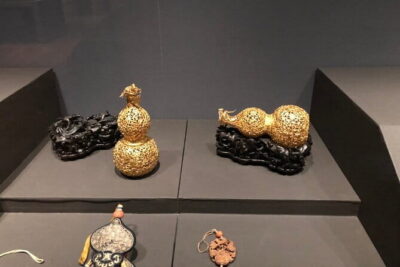
Browse the lists this tour appears in