
Reviewed · YANGMINGSHAN & BEITOU TRIPS
Fort San Domingo, Tamsui Historical Museum: Ticket Combo
History comes alive beside the Tamsui River. This low-cost ticket links four worthwhile sites, from a 400-year-old fort to a detailed museum showing how Tamsui grew from an indigenous settlement into an international port. I especially like the easy one-day format and the chance to visit Fort San Domingo, the Customs Officer’s Residence, and Huwei Fort with one QR code.
The price is another strong point. At about $2.54 per person, it is an inexpensive way to add substance to a visit near Tamsui Old Street and Tamsui Fisherman’s Wharf. The main consideration is that each site allows only one entry, and the ticket does not include a guide, so you will need to read the displays and plan your route yourself.
I would treat this as a self-guided history walk rather than a formal tour. Redemption is simple, opening hours are generous enough for a half-day visit, and the sites give you different views of Tamsui’s past. The Fort San Domingo compound is the main draw, while the museum and customs residence fill in the human details.
In This Review
- Four things worth knowing before you go
- Why this small ticket makes sense in Tamsui
- Start with Tamsui Historical Museum’s broad story
- Fort San Domingo shows four centuries of power shifts
- The Customs Officer’s Residence adds domestic detail
- Huwei Fort completes the defensive picture
- A practical one-day plan for Tamsui
- What the price really gives you
- Who will enjoy this experience most
- Should you book the Tamsui ticket combo?
- FAQ
- How long is the ticket valid?
- What attractions are included?
- How do I redeem the ticket?
- Can I enter each site more than once?
- What are the opening hours?
- Is the ticket wheelchair accessible?
Four things worth knowing before you go
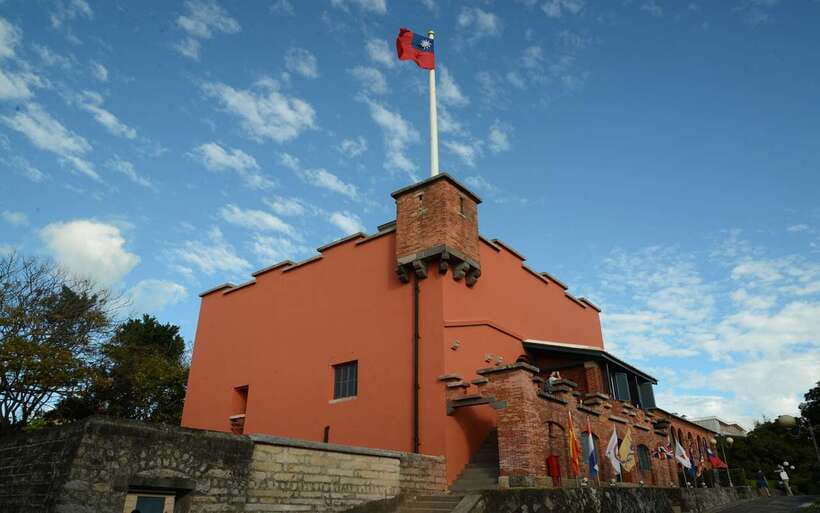
- One ticket covers four historic sites: You receive entry to Tamsui Historical Museum, Fort San Domingo, Tamsui Customs Officer’s Residence, and Huwei Fort.
- Fort San Domingo has more than 400 years of changing uses: Spanish, Dutch, Chinese, British, and Japanese connections all appear in its story.
- The late Qing Dynasty diorama is a highlight: Detailed models of streets, buildings, boats, and people help explain Tamsui as a working port town.
- The Customs Officer’s Residence adds a different mood: Red brick, arched windows, tiled roofing, woodwork, carvings, and stained glass show the blend of Western and Chinese design.
- The ticket is inexpensive and simple to redeem: Scan the QR code at the entrance, but remember that you can enter each of the three listed historic sites only once.
- The sites pair well with nearby stops: Tamsui Old Street and Tamsui Fisherman’s Wharf make it easy to build a full day around the ticket.
Why this small ticket makes sense in Tamsui
Tamsui is easy to approach as a riverside outing, with food, views, and a pleasant old-town feel. It is also a place where Taiwan’s past arrives in layers. Indigenous communities lived here before foreign powers and Chinese settlers changed the port. Later, the Qing Dynasty brought more formal trade, the Japanese colonial period reshaped administration, and foreign customs officers helped regulate commerce.
That is a lot to take in while walking from snack stalls to river views. This ticket gives you a useful framework. Instead of seeing Tamsui only as a leisure stop, you can understand why the town mattered.
I like the way the four included places divide the story. The museum gives you the broad outline. Fort San Domingo gives you the military and international angle. The Customs Officer’s Residence shows how foreign officials lived and worked. Huwei Fort adds another defensive site and rounds out the picture.
At about $2.54, the value is hard to argue with. You are not paying for transportation, a guide, or extras, but the admission covers several separate places. If you already plan to visit Tamsui, this is a modest add-on that gives your walk more purpose.
The only catch is that the ticket is not a guided experience. You will get more from it if you take time with the displays, notice the architectural details, and connect the dates and groups mentioned across the different sites.
More Yangmingshan & Beitou Trips in New Taipei City:
- Taipei: Yangmingshan, Yehliu, and Jiufen Shifen Day Tour
★ 5.0 · 6 reviews - From Taipei: Beitou and Yangmingshan National Park Day Tour
★ 4.6 · 307 reviews - Beitou and Yangmingshan Day Tour from Taipei
★ 5.0 · 92 reviews
Start with Tamsui Historical Museum’s broad story
The Tamsui Historical Museum, also called the Tamsui Historical Folk Museum, was established in 1978 to preserve and explain the area’s past. It is the best place to begin because it introduces the people, powers, and trade that shaped Tamsui before you visit the surviving buildings.
The displays cover the natural environment, the indigenous people who first inhabited the area, and the arrival of Spanish, Dutch, and Chinese settlers. You also learn about Tamsui during the Qing Dynasty and the changes brought by Japanese rule.
That range matters. Tamsui’s story is not only about forts and foreign buildings. The museum places those structures inside a wider local setting. You can see that the port developed through contact among different communities, not through one single period or ruling power.
The large-scale diorama is likely to be the museum’s most memorable display. It shows Tamsui during the late Qing Dynasty, with detailed models of buildings, boats, streets, and people. A map or paragraph can tell you that Tamsui was an active port. A miniature town lets you picture how trade and daily life worked together.
I would spend extra time looking at the diorama from different angles. The small details are there to help you imagine the town as a functioning place, not simply a collection of historic buildings. It also gives younger visitors something concrete to study, which makes this stop useful for families.
Temporary exhibitions are held during the year, covering different subjects connected with Tamsui’s culture and past. Since those displays change, the museum can offer something different on a return visit, though the ticket information does not specify which temporary exhibition will be showing during your visit.
The museum is also a practical first stop because it keeps you from viewing Fort San Domingo in isolation. Once you have learned about the port and its changing communities, the fort’s strategic position makes more sense.
Fort San Domingo shows four centuries of power shifts
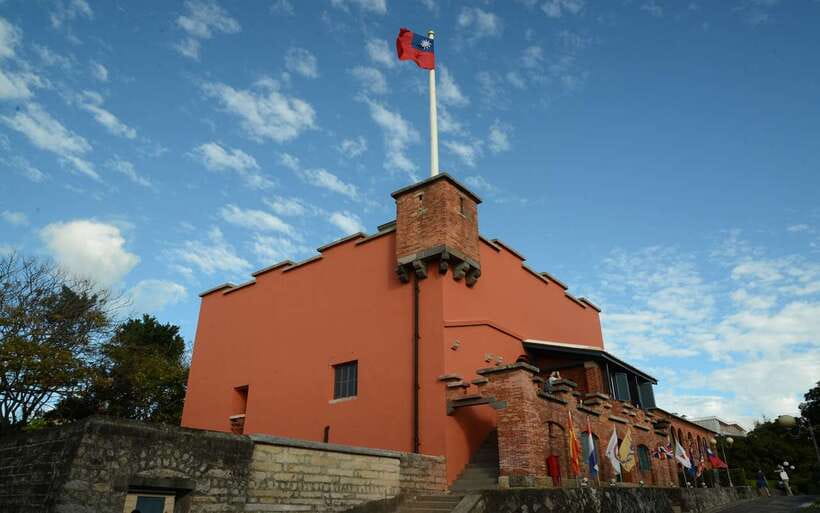
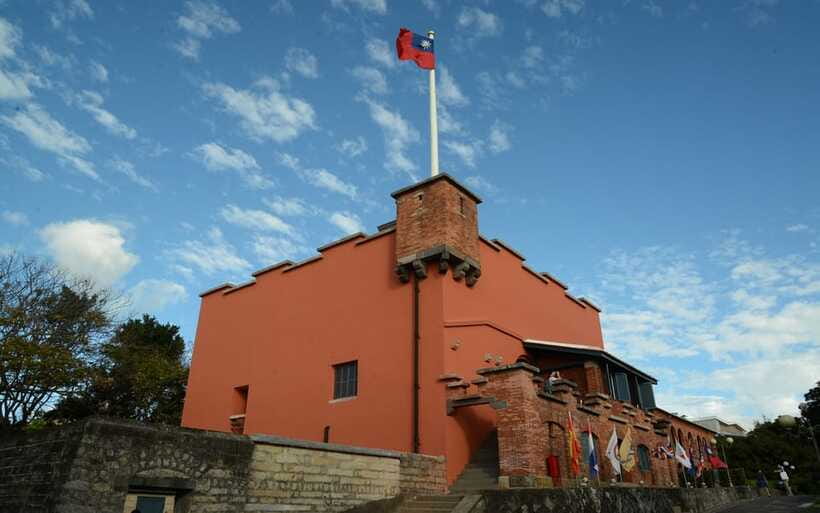
Fort San Domingo is the centerpiece of the ticket. Its story reaches back more than 400 years, and its uses changed with the people who controlled it. It served as a trading post, military fort, consulate, and military barracks.
That changing role is what makes the fort interesting. You are not looking at a building with only one identity. Different countries added, repaired, or adapted parts of the site over time, leaving a record of military needs, trade, diplomacy, and colonial administration.
The fort’s importance is also tied to Tamsui’s location at the mouth of the Tamsui River. A port needs protection, and a place involved in international trade needs officials and rules. Fort San Domingo helps connect those practical needs to the larger story told at the museum.
I would not rush through the fort after taking a few photographs. Look for the signs of different periods and think about how a military site could later serve diplomatic and administrative purposes. The value here comes from the changes layered into the structure.
There is no guide included, so the experience depends on how much context you bring with you. That is not a serious problem at this price, but it does mean you should allow time to read the information rather than treating the fort as a quick photo stop.
The fort is also a good place to connect Tamsui’s foreign contacts with the later British customs presence. After seeing the fort, the Customs Officer’s Residence feels less like a separate colonial building and more like part of the same port system.
The Customs Officer’s Residence adds domestic detail
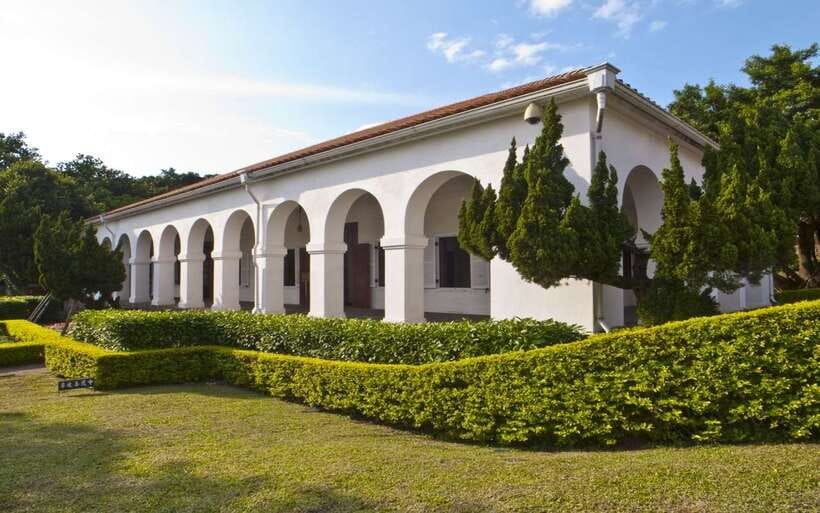
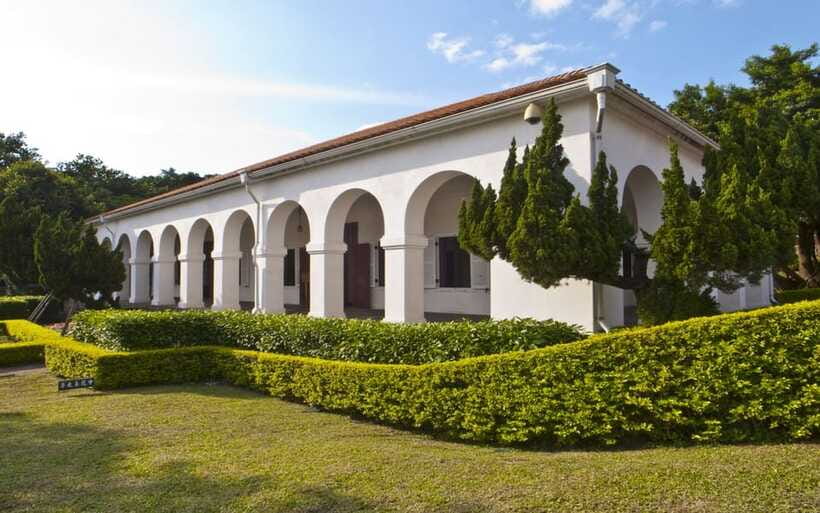
The Customs Officer’s Residence was built in the late 19th century for British customs officers stationed in Tamsui. Compared with the heavier military character of Fort San Domingo, this building gives you a closer look at administration and private life during the colonial period.
The architecture is a clear reason to visit. The exterior combines red brick walls, arched windows, and a tiled roof. Inside, you might find intricate carvings, ornate woodwork, and stained glass windows. Western design is mixed with Chinese elements, giving the building a character that differs from a purely European house.
I like this stop because it makes colonial history more personal. Forts can make the past feel distant and strategic. A residence suggests the officials who lived there, the work they performed, and the daily routines behind customs regulations.
The customs officers played a role in enforcing trade rules. That detail is important because Tamsui was not simply a scenic port. Goods, ships, taxes, and regulations all shaped the town. The residence helps you understand the people who managed that system.
The building also offers a useful contrast in scale. You move from a place designed for defense to a home connected with official work. The two sites together show how international activity affected both public institutions and private spaces.
The information provided does not give a precise visit duration, so I would keep your schedule flexible. The residence is not a place to race through, especially if architectural details interest you. If your main goal is a fast tour of major sights, it may take less time than the fort. If you enjoy buildings, it can become one of the most satisfying stops.
More History Tours in New Taipei City:
- Taipei Cooking Class & Market Adventure in Historic Dadaocheng
★ 5.0 · 77 reviews - Taipei’s Origin & Longshan Temple – Taiwan Cultural Tour
★ 4.6 · 19 reviews - Taipei: Cooking Class & Market Adventure Historic Dadaocheng
★ 4.9 · 17 reviews - WoknRoll Taipei Walking and Historical Food Tour
★ 5.0 · 10 reviews
Huwei Fort completes the defensive picture
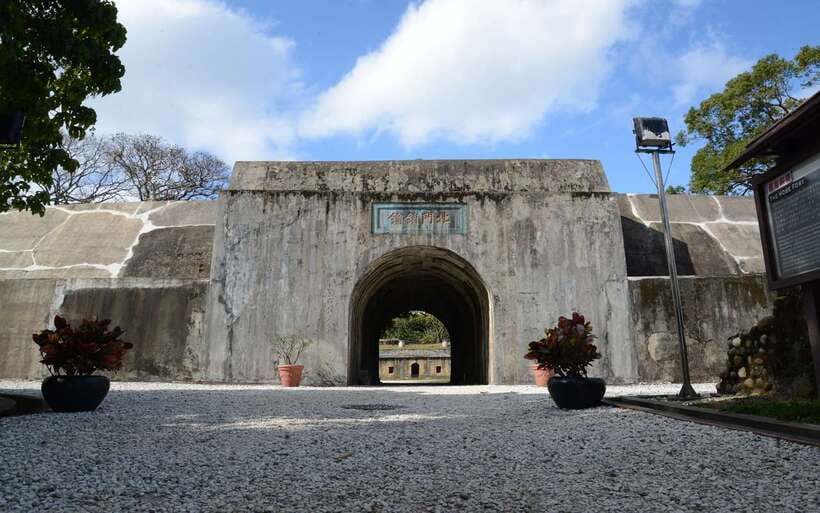
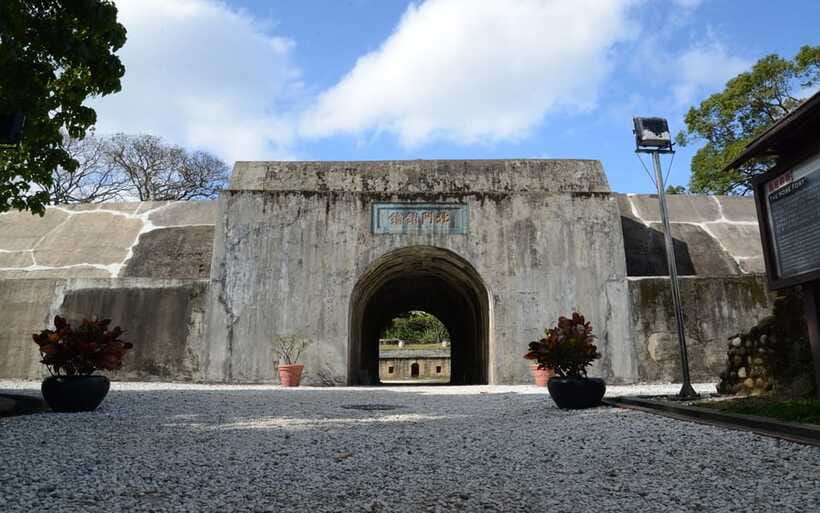
Huwei Fort is the fourth included entrance and gives you another look at Tamsui’s military past. The ticket information provides less detail about its individual exhibits than it does for Fort San Domingo, but its inclusion adds value by letting you compare two defensive sites in the same historic area.
That comparison is useful. Fort San Domingo’s long sequence of foreign uses makes it the more obvious anchor, while Huwei Fort helps show that Tamsui’s defense involved more than one position. You can consider how the river mouth, port activity, and foreign trade affected the need for military sites.
I would visit Huwei Fort after the museum or Fort San Domingo, when you already understand the basic story. Without that context, it may feel like a shorter standalone stop. With the wider picture in mind, it becomes another piece in Tamsui’s defense and port network.
Because each included site allows only one entry, check your route before scanning the QR code. This matters most if you are walking between attractions and want to come back later. The ticket is convenient, but it is not a hop-on, hop-off admission arrangement.
A practical one-day plan for Tamsui
The ticket is valid for one day, which gives you time to combine the historical sites with nearby attractions. The stated opening hours for Fort San Domingo, the Customs Officer’s Residence, and Huwei Fort are 9:30 a.m. to 5 p.m. from Monday through Friday. On weekends and national holidays, they remain open until 6 p.m., with last entry at 5:30 p.m.
I would begin early enough to avoid squeezing the final site into the last hour. Start at the Tamsui Historical Museum, then continue to Fort San Domingo while the museum’s broad introduction is still fresh. Follow with the Customs Officer’s Residence and Huwei Fort, adjusting the order if your route makes another sequence easier.
After the historic sites, Tamsui Old Street is a natural place for a meal or snack. The nearby riverfront also makes a pleasant change of pace after indoor exhibits and old walls. Tamsui Fisherman’s Wharf is another nearby stop if you want to extend the day.
The ticket does not include transportation, personal expenses, or a guide. Plan to pay separately for food and anything else you choose to do around Tamsui. The experience works best when you see it as a self-guided cultural outing, not as an all-inclusive excursion.
The QR code is scanned at the entrance. Redemption is intended to be straightforward, and the low price makes this a simple purchase for an independent day out. Still, keep the ticket accessible on your phone and remember that every site can be entered only once.
The sites are wheelchair accessible according to the provided information. Since the ticket covers historic buildings, you may want to confirm any specific access needs at the entrance if you require detailed information about individual rooms or routes.
What the price really gives you
The price is the strongest practical argument for booking. At around $2.54 per person, the admission is cheaper than many single paid attractions, yet it covers the museum plus three historic sites.
That does not mean you should expect a guided interpretation or a tightly organized program. The price pays for access, not personal explanation. I consider that a fair trade if you are comfortable reading displays and setting your own pace.
The combo also protects you from having to choose only one place. Fort San Domingo may be the site you most want to see, but the museum and customs residence provide context that makes the fort more meaningful. Huwei Fort gives you one more historical stop without a large increase in cost.
The value is best for someone already visiting Tamsui. If you are traveling across New Taipei City only for one attraction, transport and time may matter more than the low admission fee. But if Tamsui Old Street or the riverfront is already on your plan, the ticket is an easy way to add depth.
Two practical points are worth keeping in mind. You can cancel up to 24 hours in advance for a full refund, and you can reserve now and pay later. Those terms help if your Taiwan schedule is still changing, although you should still check the available starting times and operating dates before finalizing your day.
Who will enjoy this experience most
I would recommend the ticket to people who like history, architecture, museums, and self-guided sightseeing. It suits couples, families, and solo visitors who want more than food and river views in Tamsui.
Families may appreciate the diorama because it turns a complicated port story into something visible. Architecture fans will have plenty to notice at the Customs Officer’s Residence. Visitors interested in Taiwan’s colonial periods can connect Spanish, Dutch, Chinese, British, and Japanese influences across the sites.
The ticket is also a good fit for budget-minded visitors. You get a full day of possible sightseeing for very little money, and you can set your own pace rather than paying for a longer organized tour.
I would be more cautious if you want a guide, transportation, or a tightly managed itinerary. None is included. The experience asks you to do a little preparation and pay attention to opening times.
Should you book the Tamsui ticket combo?
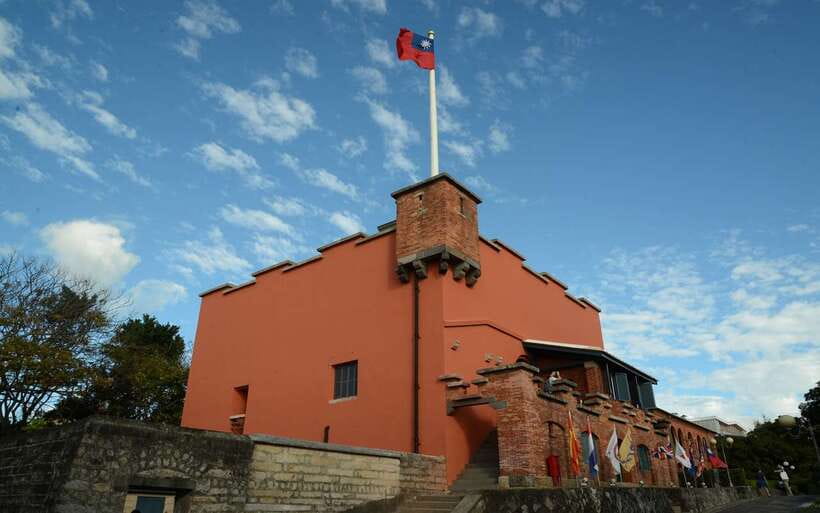
I would book it if Tamsui is already part of your plans. The combination is cheap, easy to redeem, and unusually useful for understanding how the port developed through indigenous, Chinese, European, British, and Japanese connections.
Make Fort San Domingo your priority, but do not skip the museum. The late Qing Dynasty diorama gives you the clearest picture of daily life, while the Customs Officer’s Residence adds architectural and colonial detail. Huwei Fort is worth including when your schedule allows.
The main limitation is the lack of a guide and the one-entry rule at each site. If those conditions suit you, this is one of the simplest ways to turn a casual Tamsui visit into a worthwhile history day.
FAQ
How long is the ticket valid?
The ticket is valid for one day.
What attractions are included?
The ticket includes Tamsui Historical Museum, Fort San Domingo, Tamsui Customs Officer’s Residence, and Huwei Fort.
How do I redeem the ticket?
You redeem it at the entrance by scanning the QR code.
Can I enter each site more than once?
No. The ticket permits one entry to each of the three listed historic sites.
What are the opening hours?
Fort San Domingo, Tamsui Customs Officer’s Residence, and Huwei Fort are open from 9:30 a.m. to 5 p.m. Monday through Friday. On Saturdays, Sundays, and national holidays, they are open from 9:30 a.m. to 6 p.m. Last entry is at 5:30 p.m.
Is the ticket wheelchair accessible?
Yes, the activity is listed as wheelchair accessible.
More Museum Visits in New Taipei City
- New Taipei City: Golden Museum (Gold Ecological Park) Ticket
★ 5.0 · 2 reviews - Taipei: National Palace Museum E-Ticket
★ 4.4 · 273 reviews - Taipei City Morning Tour with National Palace Museum entry
★ 4.0 · 232 reviews - Taipei: Morning City Tour with National Palace Museum Entry
★ 4.6 · 173 reviews
Just listed around New Taipei City
- Taiwan Taipei: VIP Photoshoot with Taiwan Photographer★ 5.0 · 7 reviews
- Taipei: Yangmingshan, Yehliu, and Jiufen Shifen Day Tour★ 5.0 · 6 reviews
- Taipei Private Spiritual Tour with Afternoon Tea & Cycling★ 5.0 · 2 reviews
- Taipei: Maokong Tea & Shenkeng Tofu Private Day Tour★ 5.0 · 2 reviews
- New Taipei: Pingxi Sky Lantern Festival Experience in Shifen★ 4.9 · 11 reviews
- New Taipei City: Golden Museum (Gold Ecological Park) Ticket★ 5.0 · 2 reviews
- From Taipei: Old Gold Rush Town Jiufen Guided Night Tour★ 4.4 · 5 reviews
- From Taipei: Heping Island, Shifen, and Jiufen Private Tour★ 5.0 · 3 reviews
Yangmingshan & Beitou Trips, compared.

Taiwan TST : Private Tour Taipei, Yangmingshan, Beitou, Tamsui
Read our review →
Half Day Private Tour to Yangmingshan National Park and Yehliu Geopark
Read our review →

Yangmingshan, Yehliu, Jiufen & Shifen Private Tour From Taipei
Read our review →
Yamingshan Volcano, Beitou Thermal Valley, Danshui Private Tour
Read our review →Browse the lists this tour appears in