
Reviewed · TAIPEI LANDMARKS & OLD TOWN
Taipei: National Palace Museum and Taiwan Aborigines Museum
Two museums, one useful cultural lesson. This $15 ticket combines the Shung Ye Museum of Formosan Aborigines with Taipei’s National Palace Museum, giving you a clear look at both Taiwan’s Indigenous cultures and the Chinese art traditions that shaped the island. I like the pairing because the museums sit close together, and I like the freedom to set your own pace rather than follow a guide with a fixed schedule.
The strongest part is the excellent value: one ticket covers two major museums, and you can spend several hours at the National Palace Museum if its famous collection catches your attention. The main drawback is simple: this is a self-guided museum day, so you need to read, listen, and manage your own time. Also, the audio guide applies only to Shung Ye if you select that option, not to the National Palace Museum.
In This Review
- Key points before you go
- Start at Shung Ye Museum before anything else
- Why the Indigenous museum matters
- The short walk to National Palace Museum
- Inside the National Palace Museum’s huge collection
- How to handle the self-guided format
- Price, timing, and practical value
- What the visitor feedback reveals about the experience
- Who should book this museum pairing?
- Should you book this Taipei museum experience?
- FAQ
- Where do I redeem the museum tickets?
- How do I get to the Shung Ye Museum by public transport?
- Is the audio guide included for both museums?
- How long is the ticket valid?
- What are the opening hours?
- Are children admitted free?
- Can I take photos inside the museums?
Key points before you go
- Redeem both tickets first at Shung Ye: You must begin at the Shung Ye Museum of Formosan Aborigines, even if you plan to spend most of your day at the National Palace Museum.
- See the museums in one compact outing: A short walk connects Shung Ye with the National Palace Museum, making this an easy pairing in Taipei’s Shilin District.
- Start with Taiwan’s Indigenous peoples: Shung Ye explains tribal clothing, festivals, religions, daily life, and present conditions through exhibits and films.
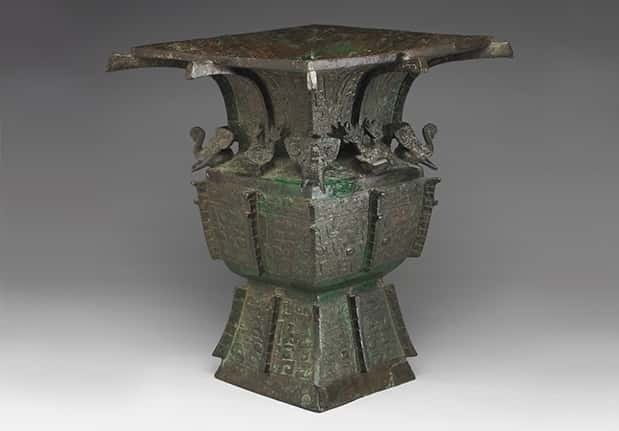
- Allow three to four hours for the National Palace Museum: Its collection covers more than 700,000 pieces of Chinese art, so a quick visit only scratches the surface.
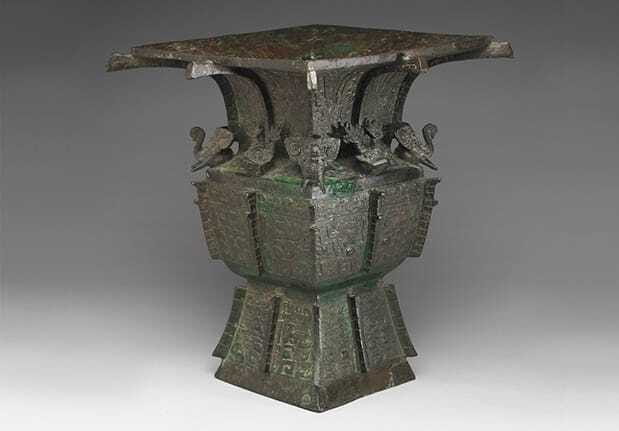
- Look for the jadeite cabbage carving: It is one of the museum’s best-known objects, though the full collection is far larger than this single display.
- Bring identification and plan for camera restrictions: A passport or ID card is required, cameras are not allowed, and filming equipment must go in a locker costing around TWD20.
Start at Shung Ye Museum before anything else
Your day begins at the Shung Ye Museum of Formosan Aborigines, at No. 282, Section 2, Zhi Shan Road, in Taipei’s Shilin District. This is not just the ticket counter. It is the first half of the experience, and you need to redeem both museum entries here before walking to the National Palace Museum.
The easiest public transport option listed for this visit is the red MRT line to Shilin Station. At Exit 1, take bus 255, S18, or S19, then get off at Wesley Girls High School, written in Chinese as 衛理女中. From there, you can reach the museum and begin the ticket exchange.
I would not rush through Shung Ye simply because the National Palace Museum is more famous. The Indigenous museum is smaller, but that gives it a manageable scale. You can learn about Taiwan’s original tribal communities without trying to process hundreds of rooms and thousands of objects at once.
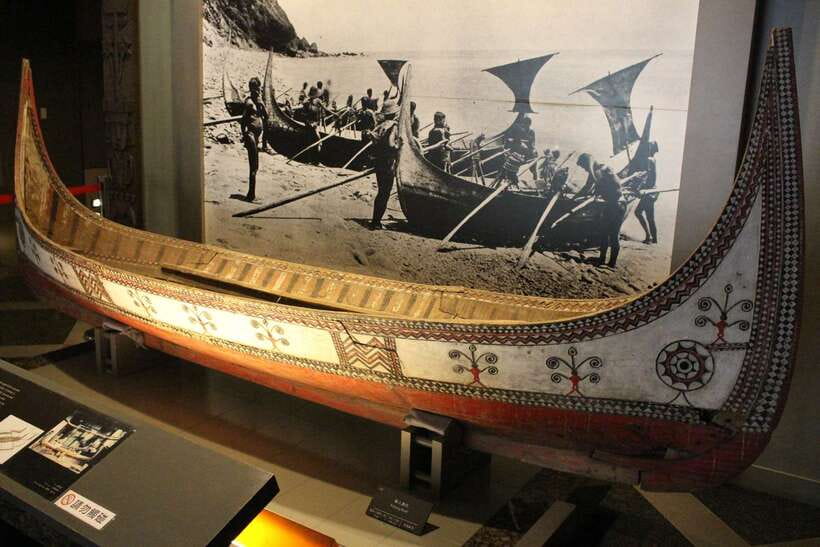
The exhibits cover the lives of Taiwan’s Indigenous peoples, including their clothing, festivals, beliefs, religions, and everyday customs. The museum also addresses present conditions for Indigenous communities, which gives the visit a modern purpose rather than treating the subject as something frozen in the past.
If you choose the audio guide option, you get commentary designed to make the displays easier to follow. That can be especially useful if you want more explanation than a quick glance at labels provides. The guide is for Shung Ye only, so do not expect the same service at the National Palace Museum.
More Museum Visits in Taipei
- Taipei: National Palace & Shung Ye Aborigines Museums Ticket
★ 4.6 · 16 reviews - From Taipei: Thousand-Island Lake & Tea Museum Private Tour
★ 4.7 · 5 reviews - Taiwan Museum, MOCA Taipei & Miniatures Museum Entry Tickets
★ 4.4 · 2 reviews
Why the Indigenous museum matters
Taipei’s major art institutions can easily draw your attention toward imperial China and court collections. Shung Ye corrects that imbalance by placing Taiwan’s own Indigenous cultures at the beginning of your day.
I value this order. You first learn about the people who lived on Taiwan before later political and cultural influences, then you move into a museum centered on Chinese art and history. The contrast helps you understand that Taiwan’s identity is not based on one tradition alone.
The displays address between 14 and 16 Indigenous tribes, according to the information available for the museum experience. That range gives you a sense of the variety involved, although the museum itself is not large enough to provide equal depth on every community.
You can also watch films in the auditorium. These are useful if you want more context about current conditions for Indigenous people in Taiwan. If you have already seen several museum displays, sitting down for a film gives your feet a break and adds a present-day angle to the visit.
The one limitation is that the museum may feel brief if you are looking for a large national institution with many galleries. I would plan roughly an hour or two here, depending on your interest in the films, audio commentary, and exhibits. The smaller scale works well for families and first-time museum visitors, but specialists may wish for more depth.
The short walk to National Palace Museum
Once you finish at Shung Ye, walk to the adjacent National Palace Museum. The close location is one of the best practical features of this ticket. You do not lose a large part of your day crossing Taipei, changing trains, or finding a second neighborhood.
The two museums also create a natural rhythm. Shung Ye provides a focused introduction to Taiwan’s Indigenous cultures. The National Palace Museum then opens into a much larger account of Chinese art, culture, and daily life over roughly 5,000 years.
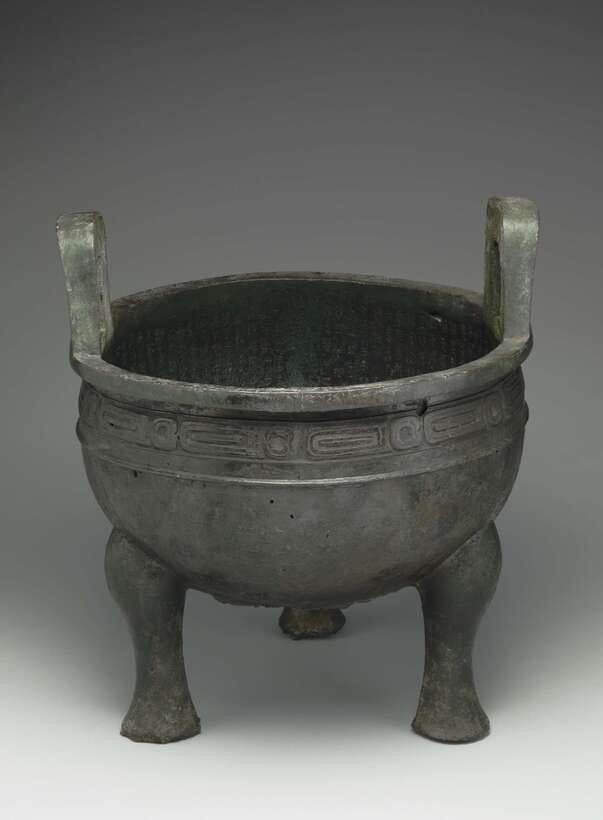
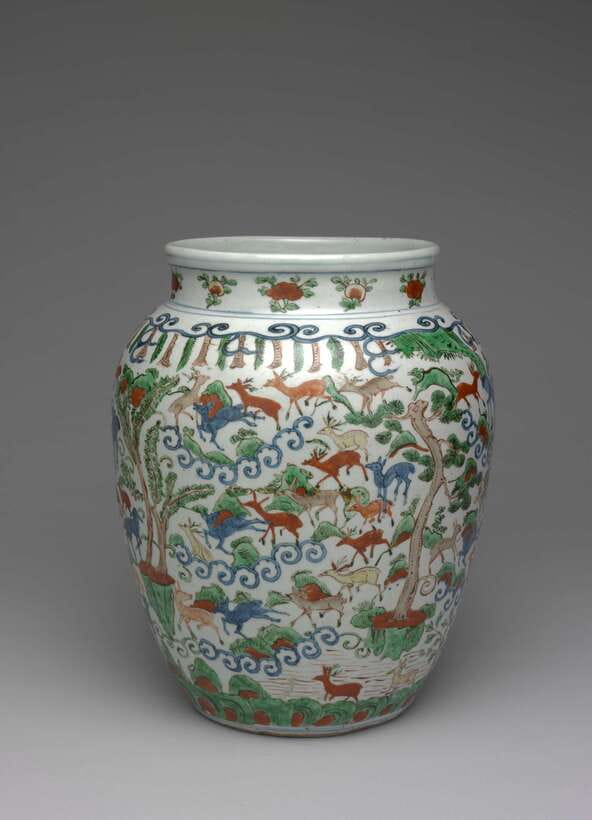
Give yourself more time at the National Palace Museum. One visitor spent three to four hours there, and that is a sensible target if you want more than the headline objects. The collection includes calligraphy, ceramics, paintings, and many other forms of Chinese art, with more than 700,000 pieces in total.
You will not see all of that collection in a single day. Instead, use the freedom of the ticket to choose the galleries that interest you most. If ceramics are your priority, stay with ceramics. If you prefer paintings or calligraphy, spend your time there rather than racing around to claim every room.
Inside the National Palace Museum’s huge collection
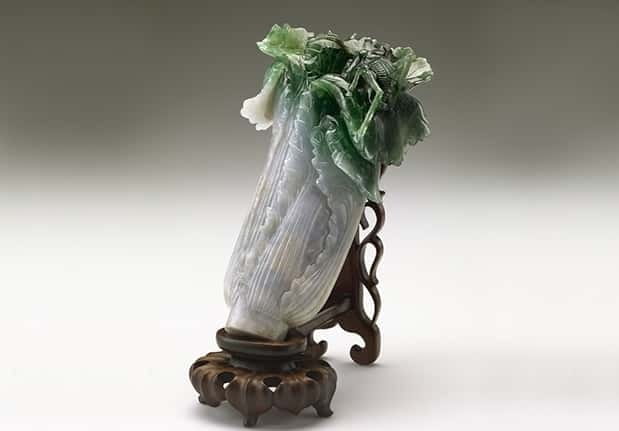
The National Palace Museum is the main reason many people book this pairing. It offers a long view of Chinese culture, from ancient objects to works connected with court life, scholarship, and artistic practice.
The scale can be both the attraction and the problem. A collection of more than 700,000 objects means the museum has unusual depth, but it can also make a first visit feel crowded with choices. I recommend deciding before you enter whether you want a broad tour or a concentrated look at a few types of art.
The well-known jadeite cabbage carving is an obvious object to seek out. Its small size and detailed carving make it memorable, but do not mistake it for the entire museum. The larger reward is seeing how many other forms of art surround it.
The collection also gives you a chance to compare Taiwan’s presentation of Chinese art with what you may have seen in Beijing’s Forbidden Palace. One particularly strong reaction to this museum was that its objects did not resemble the displays seen in Beijing, and that the visit felt memorable after several hours. The comparison is useful because the National Palace Museum offers its own distinct selection and viewing experience.
You should expect some historic material rather than a purely modern art museum. If you enjoy objects, timelines, and cultural history, you will have plenty to examine. If you prefer interactive exhibits or contemporary installations, the day may feel more traditional.
More Taipei landmarks and old-street walks:
- Taipei: Taipei 101 Observatory Deck Entry Ticket
★ 4.6 · 847 reviews - Taipei: Classic Landmarks Day Tour
★ 4.8 · 183 reviews - Taipei: Taipei 101 Observatory – Skyline 460 Cloud Walk
★ 4.3 · 36 reviews - Taipei: Old Town Walking Tour
★ 4.8 · 25 reviews
How to handle the self-guided format
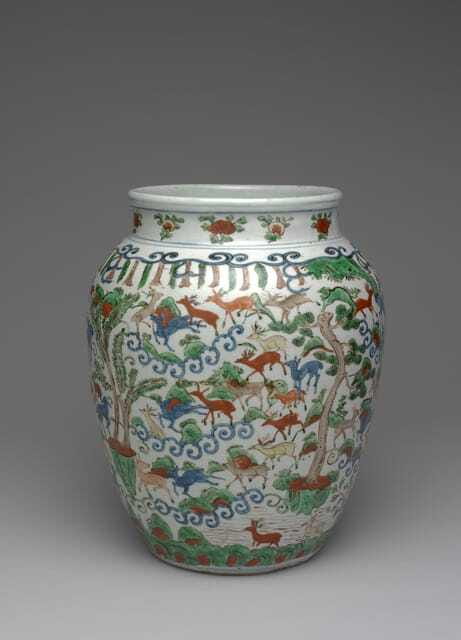
This is a flexible entry ticket, not a guided walking tour. I like that arrangement for a museum complex with such different subjects, since you can stop when your attention fades and return to the pieces that interest you.
The tradeoff is that you are responsible for creating the story. At Shung Ye, the optional audio guide helps by adding lively commentary. At the National Palace Museum, the audio guide is not included, so you will need to rely on the museum displays and your own reading.
You can make the visit easier by starting with Shung Ye’s Indigenous cultures, then giving the National Palace Museum your longer block of time. That sequence keeps the day from becoming one long march through Chinese art and gives the smaller museum the attention it deserves.
I would also plan a short pause between the two museums. Even though the walk is brief, a moment outside helps you reset before entering the much larger collection. This matters if you are visiting with children or anyone who tires quickly in museums.
Price, timing, and practical value
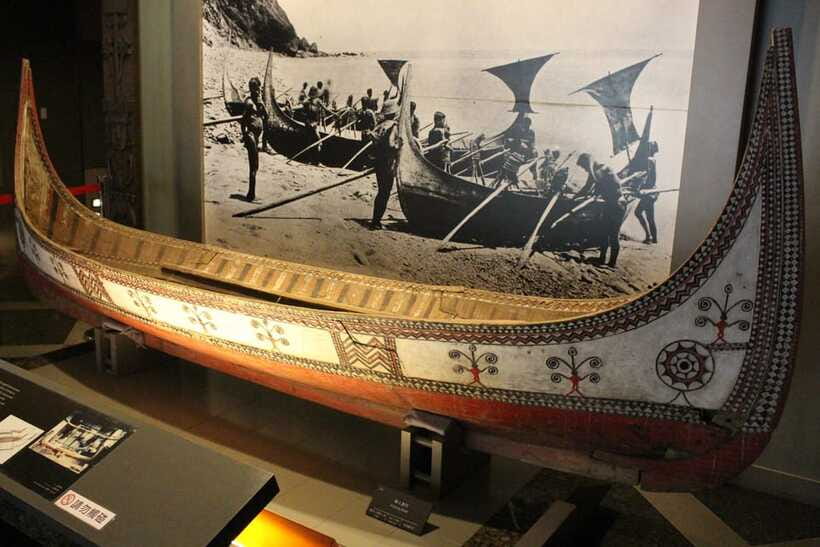
At $15 per person, this is a strong-value museum day. You receive admission to two institutions, and the locations are close enough that the ticket saves both money and planning effort. The value is best if you intend to spend several hours at the National Palace Museum rather than make a quick appearance.
The ticket is valid for one day. Shung Ye opens from 9:00 a.m. to 5:00 p.m., Tuesday through Sunday. The National Palace Museum opens from 8:30 a.m. to 6:30 p.m. on those days, with hours extending to 9:00 p.m. on Fridays and Saturdays.
Because you must redeem both tickets at Shung Ye, do not build your schedule around arriving at the National Palace Museum first. The Indigenous museum should be your starting point. The longer evening hours on Friday and Saturday may give you more breathing room at the National Palace Museum, but Shung Ye still closes at 5:00 p.m.
Children under seven enter free. Bring a passport or ID card, since identification is required. Cameras and flash photography are not allowed, and filming equipment must be placed in the on-site lockers, which cost around TWD20 each.
The experience is wheelchair accessible. You can cancel up to 24 hours in advance for a full refund, and the reserve-now, pay-later option keeps your plans flexible.
What the visitor feedback reveals about the experience
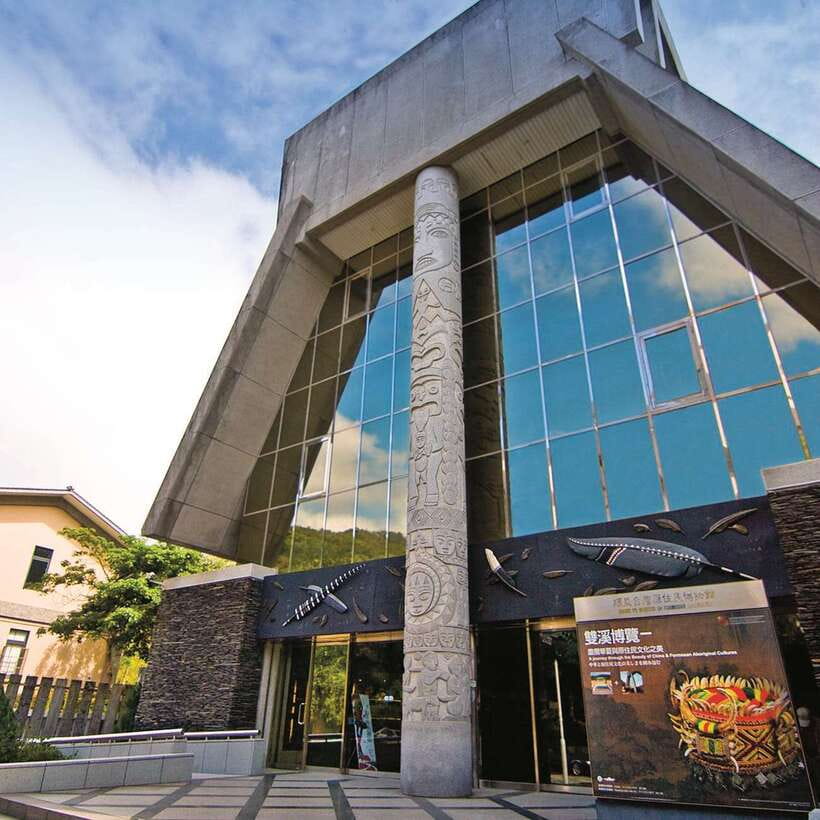
The strongest praise centers on value and the National Palace Museum’s long visit. A score of 4.7 from 11 ratings reflects a generally positive response, with particularly strong marks for the combination of museums and the quality of the main collection.
The most useful practical point is that Shung Ye is educational but not large. Think of it as a focused introduction, not an all-day institution. The National Palace Museum is the main course, and three to four hours there is realistic if you want the visit to feel substantial.
One useful suggestion is missing from the current setup: an Indigenous-food café could give Shung Ye another way to connect culture with daily life. You should not expect that feature as part of this activity, but the idea points to the museum’s strength. Its subject reaches beyond objects and labels into food, clothing, festivals, belief, and living communities.
The lower rating in the available feedback reflects personal taste rather than a clear service problem. Some people simply find historic museums only moderately interesting. That is fair. This is not the best pick if you want a fast entertainment stop, a guided city walk, or a contemporary art show.
Who should book this museum pairing?
I would choose this experience if you want a solid cultural day in Taipei without paying for a private guide. It suits first-time visitors who want to understand both Taiwan’s Indigenous peoples and the Chinese artistic traditions displayed on the island.
Families may like the flexible schedule, the manageable first museum, and the chance to take breaks between galleries. The audio guide option can help older children follow the exhibits at Shung Ye, while the films provide another format besides reading.
Art lovers should focus on the National Palace Museum. The scale of the collection means you can build a personal route around ceramics, calligraphy, paintings, or the famous jadeite cabbage carving. History-minded visitors will also appreciate the broad 5,000-year time span.
I would be more cautious if you dislike museums, have only a short window in Taipei, or want a guide to explain every object. The self-guided setup asks you to take charge, and the National Palace Museum can feel overwhelming if you arrive without a plan.
Should you book this Taipei museum experience?
Book it if you want two major cultural stops for $15, especially if you can give the National Palace Museum three or four hours. The close locations, flexible pace, and optional Shung Ye audio guide make the day easy to shape around your interests.
Skip it if your idea of a great day involves outdoor sights, food, or a tightly guided experience. For everyone else, this is a thoughtful pairing: begin with Taiwan’s Indigenous cultures, then explore one of the world’s great Chinese art collections. The smaller museum gives the day balance, while the National Palace Museum supplies the scale and memorable objects.
FAQ
Where do I redeem the museum tickets?
Redeem both tickets at the Shung Ye Museum of Formosan Aborigines before visiting the National Palace Museum.
How do I get to the Shung Ye Museum by public transport?
Take the red MRT line to Shilin Station. From Exit 1, take bus 255, S18, or S19, then get off at Wesley Girls High School, or 衛理女中.
Is the audio guide included for both museums?
No. The audio guide is included only for Shung Ye if you select that option. An audio guide for the National Palace Museum is not included.
How long is the ticket valid?
The ticket is valid for one day.
What are the opening hours?
Shung Ye is open from 9:00 a.m. to 5:00 p.m., Tuesday through Sunday. The National Palace Museum is open from 8:30 a.m. to 6:30 p.m. Tuesday through Sunday, with hours extending to 9:00 p.m. on Fridays and Saturdays.
Are children admitted free?
Children under seven enter free.
Can I take photos inside the museums?
Cameras and flash photography are not allowed. Filming equipment must be stored in the on-site lockers, which cost around TWD20 each.
More Museum Visits in Taipei City
- Taipei: National Palace Museum E-Ticket
★ 4.4 · 273 reviews - Taipei City Morning Tour with National Palace Museum entry
★ 4.0 · 232 reviews - Taipei: Morning City Tour with National Palace Museum Entry
★ 4.6 · 173 reviews - Kaohsiung: Private City Tour with Fo Guang Shan Museum
★ 5.0 · 26 reviews
Just listed around Taipei City
- Vintage Taipei – Best of Taiwan and Sunset Walking Tour★ 5.0 · 4 reviews
- Taiwan Taipei: Quick Photoshoot with Taiwan Photographer★ 5.0 · 9 reviews
- Taiwan Museum, MOCA Taipei & Miniatures Museum Entry Tickets★ 4.4 · 2 reviews
- Taipei: Taiwan Traditional Breakfast & Market & Tea Tasting★ 5.0 · 6 reviews
- Taipei: Unlimited FunPass – Transports & Attractions Pass★ 4.5 · 14 reviews
- Taipei: Yangmingshan, Shifen, Jiufen & Yehliu Private Tour★ 4.9 · 11 reviews
- Taipei: Yangmingshan National Park Half-Day Tour★ 4.3 · 12 reviews
- Taipei Private Walking Tour with a Local★ 5.0 · 11 reviews
Taipei Landmarks & Old Town, compared.


Priority Pass Taipei 101 Observatory Deck Ticket
Read our review →
Taipei City Morning Tour with National Palace Museum entry
Read our review →
Taipei Old Town – Taiwan Introduction Walking Tour (Tip-Based)
Read our review →
Morning City Tour with National Palace Museum Entry
Read our review →
Yehliu & Jiufen & Shifen Day Tour (Departure from Ximending)
Read our review →Browse the lists this tour appears in